
Introduction
Need same-day care without the chaos of a hospital ER? Carbon Health has built its reputation on smart, app-driven clinics that promise speed, transparency, and a calmer waiting room. But with the company filing for Chapter 11 bankruptcy in February 2026, a lot of patients are asking one big question: Is Carbon-Health still worth using?
This complete 2026 guide breaks down what Carbon-Health offers — urgent care, primary care, pediatrics, mental health teletherapy, and its slick mobile app — alongside pricing, insurance, real patient experiences, and what the restructuring actually means for your next appointment.
What Is Carbon Health?
Carbon-Health is an American chain of primary healthcare and urgent care clinics founded in 2015 in San Francisco that also provides telemedicine. The company was co-founded by Udemy alum Eren Bali, engineer Tom Berry, and physician Greg Burell, with the goal of merging modern software with traditional clinical care. Wikipedia
By 2026, the company operates close to 100 brick-and-mortar locations and serves patients virtually across roughly 17 states.
A Quick Timeline
- 2015: Founded in San Francisco
- 2018: Merger with Direct Urgent Care adds 7 Bay Area clinics
- 2021: Hits a $3.3 billion valuation after a $350M Series D
- 2023: Carbon-Health partnered with CVS Health to pilot a new clinic model offering primary and urgent care services within CVS retail stores Wikipedia
- 2024: Co-founder Eren Bali steps down; Kerem Ozkay becomes CEO
- 2026: Files for Chapter 11 bankruptcy relief in Texas with a restructuring plan Fierce Healthcare
Carbon Health Services in 2026
Carbon Health markets itself as a one-stop digital health platform. At most locations and through the app you can access:
- Urgent care for adults and kids (cold, flu, sprains, rashes, UTIs)
- Primary care with annual physicals, chronic-condition follow-up, and referrals
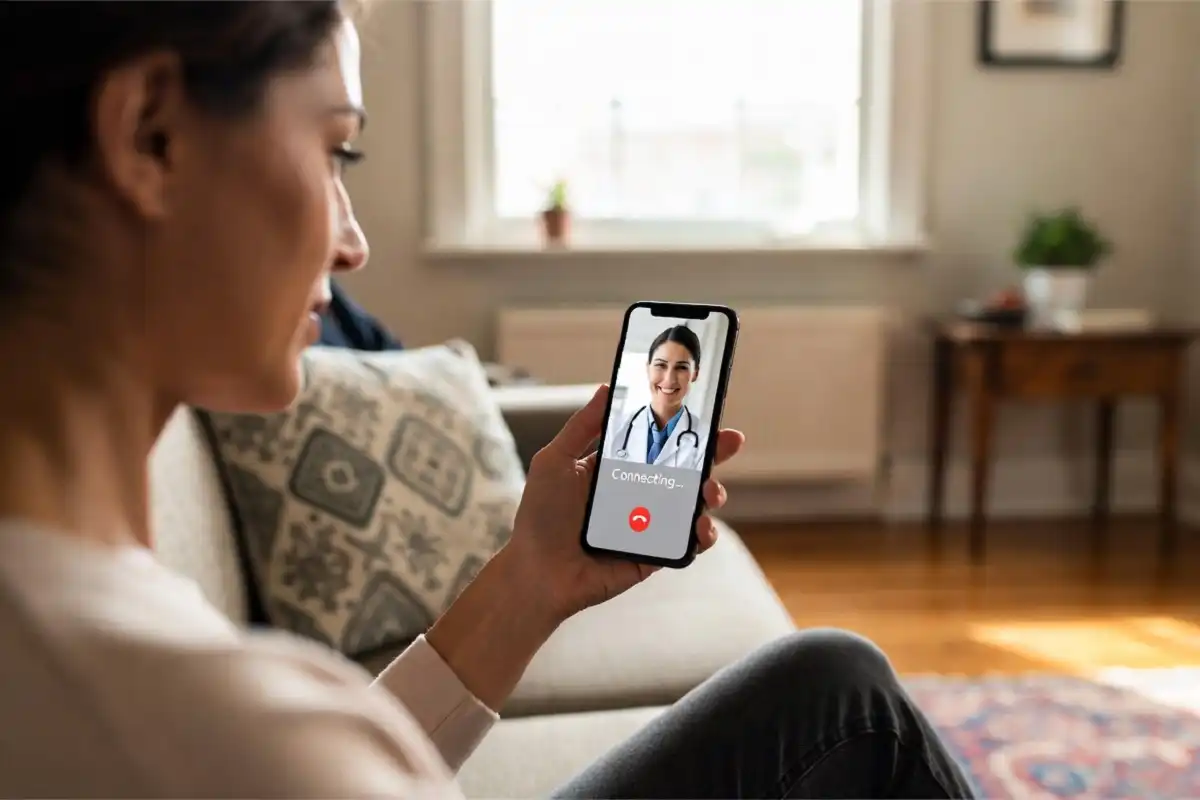
- Virtual urgent care & telehealth visits
- Mental health teletherapy for anxiety, depression, and medication management
- Pediatric care including school and sports physicals
- Labs, X-rays, and STI testing at select clinics
- Prescription refills delivered or sent to your pharmacy
For readers exploring other modern care models, our complete Oak Street Health 2026 guide and Sutter Health primary care guide make for great comparisons.
The Carbon Health App
The app is where Carbon-Health stands out from older urgent-care chains. With it, you can:
- Book same-day in-person or video visits
- Chat with a clinician about symptoms
- View labs, X-rays, and visit notes
- Request refills with home delivery
- Get follow-up check-ins after a visit
How Much Does Carbon Health Cost?
Pricing depends heavily on your insurance, the visit type, and the clinic location. According to the company’s published self-pay rates, urgent care visits start around $69 and mental health teletherapy around $99, though add-ons (labs, imaging, procedures) cost extra.

Carbon-Health accepts most major commercial insurance plans and Medicare at many locations, but participation varies by state and clinic. Before booking, always:
- Confirm your plan is in-network at that specific clinic
- Ask whether the visit will be billed as urgent care or primary care (copays differ)
- Request a price estimate for labs or imaging upfront
If you also juggle hospital portals, our Trinity Health MyChart guide walks through how patient portals tie billing and records together.
Carbon Health Mental Health Services
Mental health is a fast-growing arm of Carbon-Health’s business. Through teletherapy, patients can connect with licensed therapists and psychiatric providers for:

- Anxiety and depression
- ADHD evaluation and management
- Medication-only follow-ups
- Stress, burnout, and life transitions
If you want a wider lens on virtual mental health options, see our LifeStance Health 2026 guide and our deep dive on Charlie Health for teens and young adults. For perimenopause-specific care, Midi Health is another telehealth name worth comparing.
What the 2026 Bankruptcy Means for Patients
In February 2026, Carbon-Health filed for Chapter 11 bankruptcy relief in Texas, reaching a restructuring agreement with its existing lenders that establishes a “clear path to recapitalization and new ownership”. The company carried roughly $100M–$500M in debt heading into the filing. Fierce Healthcare
The good news for patients: Chapter 11 is a reorganization, not a shutdown. Clinics remain open and appointments continue.
What to watch:
- Whether your local clinic stays open through restructuring
- Insurance network changes after ownership transitions
- Any pricing or app feature updates
For broader context on how health systems handle change and patient communication, Amble Health’s 2026 honest guide and Brello Health’s complete review offer useful comparisons.
Pros and Cons of Carbon Health

Pros
- Same-day booking and short wait times
- Clean, modern clinics with an intuitive app
- Transparent self-pay pricing
- One platform for urgent, primary, pediatric, and mental health visits
Cons
- Coverage gaps — not every state or every plan
- Bankruptcy creates near-term uncertainty
- Out-of-pocket costs add up without insurance
- Provider continuity can vary at urgent-care-style clinics
Tips to Get the Most Out of Carbon Health
- Download the app first. Booking, intake, and records all live there.
- Use it for primary care, not just urgent care. Establishing a PCP unlocks preventive screenings.
- Verify insurance at the clinic level, not just at the brand level.
- Bring a medication list to your first visit to speed up history-taking.
- Track preventive care. For lifestyle inspiration on long-term wellness, see how stars like Dolly Parton stay strong at 78 and the latest on King Charles’s cancer journey.
Reliable third-party resources are worth bookmarking too — start with the Carbon Health Wikipedia entry, the CDC’s urgent care guidance, and consumer reviews on Healthgrades.
FAQs About Carbon Health
Is Carbon Health still open after the 2026 bankruptcy?
Yes. Carbon-Health filed for Chapter 11 reorganization, not closure. Clinics and the app continue operating during restructuring.
Does Carbon Health take insurance?
Most major commercial plans and Medicare are accepted at many locations, but participation varies by clinic and state. Always confirm before booking.
How much is a Carbon Health visit without insurance?
Self-pay urgent care starts around $69 and mental health teletherapy around $99, before any labs or procedures.
Can I see a Carbon Health doctor online?
Yes. Virtual urgent care, primary care, and mental health teletherapy are available in about 17 states via the Carbon-Health app.
Is Carbon Health a good primary care option?
For tech-savvy patients who value same-day access, digital records, and one-app convenience, yes. People who prefer a long-term, single-provider relationship may want a traditional PCP instead.
What states does Carbon Health serve?
Telemedicine is offered in roughly 17 states including CA, AZ, NY, TX, FL, IL, MA, NV, NJ, NC, OH, PA, VA, WA, GA, MI, and DE. In-person clinics are concentrated in California and select metros.
Conclusion
Carbon Health remains one of the most patient-friendly urgent care and primary care chains in the U.S., even as it works through 2026’s restructuring. The app, transparent pricing, and same-day access give it real advantages — especially if you’ve ever wasted a morning sitting in a generic urgent care.
The smart move? Use Carbon-Health for what it does best (fast, digital, no-friction care), verify your insurance per clinic, and keep a backup primary care option in mind during the restructuring window.
Ready to take charge of your healthcare?
Download the Carbon-Health app, book a same-day visit, and explore our other 2026 health guides for a complete picture of your options.