

Understanding how the law decides who is at fault can feel confusing. This guide offers criminal responsibility explained in everyday language, so you can follow the core ideas without a legal background. You will learn what it means to be held accountable, who can be judged guilty, and which factors courts weigh before reaching a decision. Whether you are a student, a curious reader, or someone following a case in the news, this overview breaks down the key concepts in a calm and reader-friendly way.
What Is Criminal Responsibility?
Criminal responsibility is the legal idea that a person can be blamed and punished for breaking the law. In short, it answers a single question: should this person face consequences for what they did?
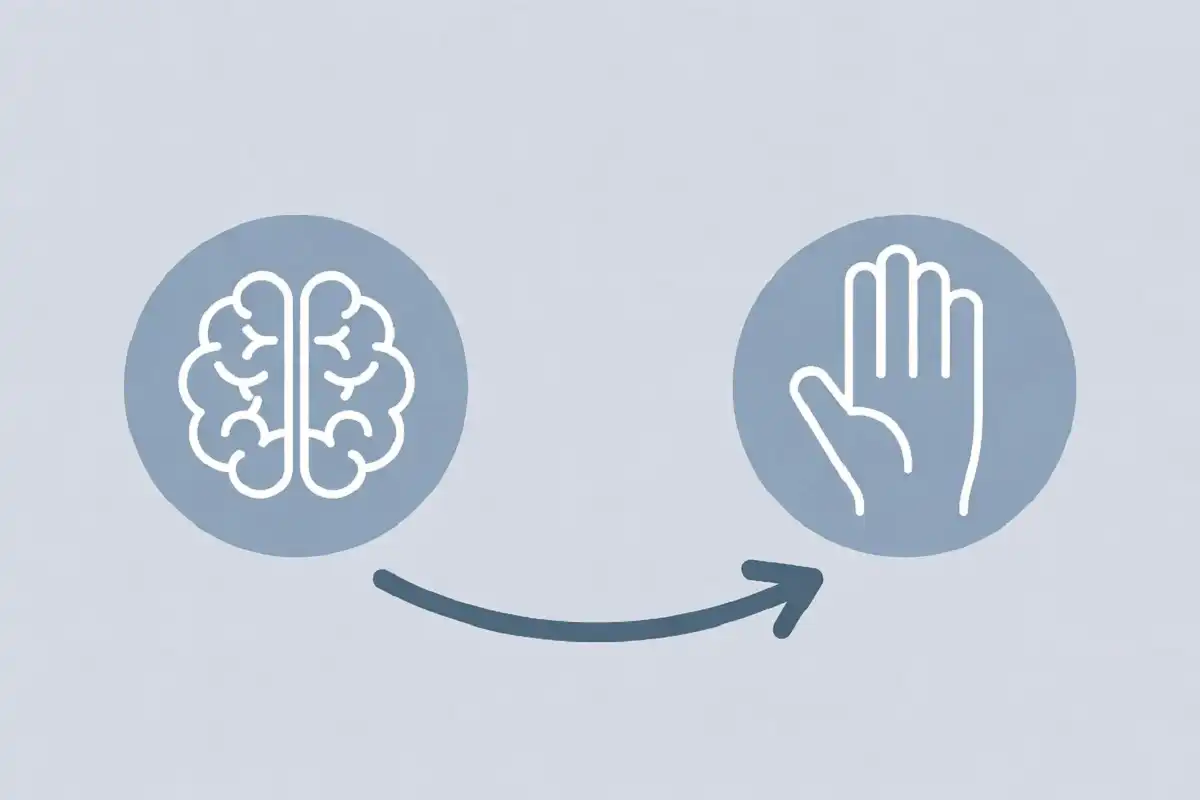
To have criminal responsibility explained properly, it helps to see it as two parts working together. The law usually looks at both what a person did and what was going on in their mind at the time.
Those two parts are often described with Latin terms:
- Actus reus: the guilty act, meaning the physical action or behavior.
- Mens rea: the guilty mind, meaning the intent or awareness behind the act.
When both elements are present, a court can usually find that a person is accountable. If one is missing, responsibility may be reduced or removed.
Why These Two Elements Matter
The law does not punish people for accidents alone or for thoughts alone. A harmful act without any guilty state of mind, or a bad intention with no action, normally does not meet the full test. This balance is central to having criminal responsibility explained in a fair way.
For example, a person who trips and knocks something over did not plan the result. A person who plans harm but never acts on it has not caused damage. Courts look closely at both sides before deciding.
Who Can Be Held Criminally Responsible?
Not everyone can be treated the same way under the law. Courts consider whether a person had the ability to understand their actions and control their behavior. This is known as legal capacity.
Several factors affect capacity, and each one plays a role in how criminal responsibility is judged.
The Role of Age
Age is one of the biggest factors. Young children are often seen as unable to fully understand the meaning of their actions. Most legal systems set a minimum age below which a child cannot be charged with a crime.
For older minors, the rules can be more complex. Many regions use a separate process for young people, which is a major theme in how juvenile cases are handled within the wider system. The goal is often guidance and reform rather than harsh punishment.
If you want to see how these ideas apply to younger defendants, this breakdown of juvenile crime and the law offers helpful context.
Mental State and Capacity
A person’s mental condition also shapes responsibility. Someone who could not understand right from wrong at the time of an act may be treated differently by the court. Mental health questions can lower or remove blame in certain situations.
This is why having criminal responsibility explained always includes a look at the mind, not just the action. The law tries to match the level of blame to the person’s real ability to make choices.
Intent and Knowledge
Intent is the heart of many cases. Courts often ask whether a person:
- Acted on purpose.
- Knew their actions could cause harm.
- Was careless about an obvious risk.
Different levels of intent can lead to different outcomes. A planned act is usually judged more harshly than a careless mistake.
Common Defenses That Affect Responsibility
A defense is a reason the law may reduce or remove blame. These arguments are a key part of any fair process. With criminal responsibility explained clearly, defenses make more sense because they connect back to capacity and intent.
Some widely recognized defenses include:
- Self-defense: acting to protect yourself from harm.
- Lack of intent: showing the act was a true accident.
- Age: being below the legal age for blame.
- Mental incapacity: not being able to understand the act.
- Duress: being forced to act under serious threat.
Each defense must be supported by facts and evidence. A court will weigh the situation carefully before accepting any claim.
How Courts Decide
Courts follow a step-by-step process to keep decisions fair. While details vary by region, the general path is similar in many places.
The basic flow usually looks like this:
- Review the alleged act and gather evidence.
- Examine the person’s state of mind at the time.
- Consider age, capacity, and any defenses.
- Apply the relevant law to the facts.
- Reach a verdict based on the full picture.
This careful method is why criminal responsibility is rarely a simple yes or no. The system is built to look at the whole person and the whole event.
For readers who follow legal news, public attention can shape how cases are viewed, which is why understanding how the public responds to high-profile cases is useful alongside the legal facts.
Why Understanding This Topic Helps
Knowing the basics gives you a clearer view of news stories, court reports, and legal debates. It also helps you separate emotion from fact. With criminal responsibility explained in plain terms, you can follow a case without being misled by headlines.
For deeper, trusted reading, the Legal Information Institute at Cornell Law School offers free, plain-language entries on core legal terms. General overviews from sources like Britannica’s coverage of criminal law can also support your learning.
FAQs
What does criminal responsibility mean in simple terms?
Criminal responsibility means a person can be blamed and punished for breaking the law. It depends on both the act they carried out and their state of mind at the time, which together decide if they are accountable.
Can a child be held criminally responsible?
A child usually cannot be held responsible below a set minimum age, because the law assumes young children do not fully understand their actions. Older minors are often handled through a separate youth process focused on guidance.
What is the difference between actus reus and mens rea?
Actus reus is the physical act, while mens rea is the guilty state of mind behind it. Most serious cases require both, which is a key point when criminal responsibility is explained in a fair and balanced way.
Can mental health affect criminal responsibility?
Yes, mental health can affect criminal responsibility because the law looks at whether a person could understand or control their actions. If capacity was missing at the time, blame may be reduced or removed.
Are defenses always accepted by the court?
Defenses are not automatically accepted, since each one must be backed by clear facts and evidence. A court reviews the full situation before deciding whether a defense lowers or removes responsibility.
Conclusion
Having criminal responsibility explained in simple language makes the justice system easier to follow. The main idea stays the same across most cases: courts look at the act, the mind behind it, and the person’s capacity to make choices. Age, intent, and mental state all shape the final decision. By understanding these basics, you can read legal news with more clarity and fairness. For related topics, you may also explore common legal questions tied to well-known cases to see these ideas in action.