
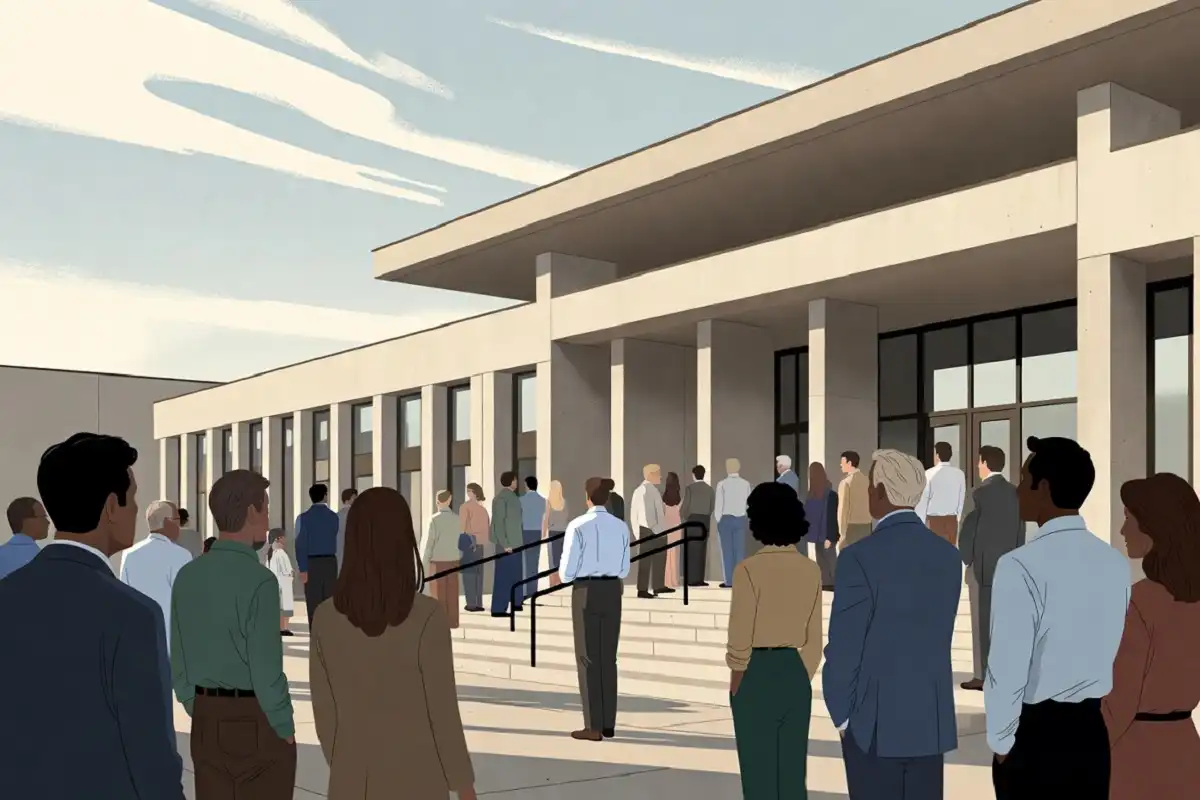
The Derek Rosa case touched many people far beyond Florida. A teenager was accused, and later convicted, in the death of his mother in Hialeah, and the story moved quickly through news outlets and social media. As the facts came out, ordinary readers felt sadness, anger, and confusion all at once. This article looks at the public response to the Derek Rosa case in a calm and balanced way. It explains how people reacted, why opinions split, and what their reactions reveal about how we view young people and serious crime.
What the Derek Rosa Case Is About
Derek Rosa was 13 years old on October 12, 2023, the night his mother, Irina García, was killed at their home in Hialeah, Florida. He was arrested and charged with first-degree murder and held at the Metro West facility while the case moved through the Miami-Dade court system.
Over the following months, the case drew steady attention. His defense team, led by attorney Dayliset Rielo, argued that the teenager did not fully understand his rights when he spoke to detectives. They also pointed to ADHD and an autism spectrum diagnosis as factors affecting his understanding of events.
The case later ended with a guilty plea to second-degree murder. Rosa received a 25-year prison sentence followed by 20 years of probation. If you want a broader picture of how courts treat young defendants, this overview of juvenile crime and how courts handle it is a helpful starting point.
The Public Response to the Derek Rosa Case
The public response to the Derek Rosa case was strong and emotional from the very beginning. The crime itself was shocking, the defendant was a child, and the victim was his own mother. That combination made it almost impossible for people to stay neutral.
Reaction generally fell into a few clear groups, and many people felt more than one of these at the same time.
Sympathy and Support
Some members of the public felt deep sympathy for the teenager. They focused on his young age and the mental health questions raised during the case. To this group, the public response to the Derek Rosa case was about understanding what could lead a child to such an act.
Supporters appeared at court hearings, and the family reportedly received thousands of dollars in donations. For these people, the story was less about blame and more about compassion and prevention.
Calls for Justice
Another large part of the public reaction centered on the victim. Irina García was a 39-year-old mother caring for a newborn, and many felt she deserved to be remembered first. This group called for accountability and a firm sentence.
Outside court hearings, supporters of the teenager often stood near people demanding justice for his mother. That contrast captured how divided the public response to the Derek Rosa case became.
Online Conversation and Viral Attention

Social media played a huge part in spreading the story. Clips from hearings, news summaries, and personal opinions traveled fast across platforms. Comment sections filled with debate, and the case became a regular topic in true-crime communities.
Online attention can shape how a case is understood long before a verdict arrives. You can read more about why the case spread so quickly online and how viral momentum builds around stories like this one.
Why the Case Divided Public Opinion
The public response to the Derek Rosa case was not simple, and the reasons for that are worth understanding. People were not just reacting to a crime. They were also reacting to bigger questions that have no easy answers.
Age and Responsibility
One of the biggest debates was about age. A 13-year-old is still a child in many ways, yet the charges were extremely serious. People asked whether someone so young can fully understand the weight of such actions.
Research on adolescent development shows that the teenage brain is still forming, especially in areas linked to judgment and impulse control. Resources from the American Psychological Association explain how this affects decision-making, which helped shape part of the public conversation.
Mental Health Questions
Mental health was central to the public response to the Derek Rosa case. The defense pointed to ADHD and autism, and many people online discussed how mental health and neurodevelopment should factor into court cases.
This part of the debate was sensitive. Some felt these conditions should reduce responsibility, while others worried about unfair assumptions. For readers who want to think about wellbeing more broadly, this guide to mental health and wellbeing offers useful background without making claims about any individual.
How the Legal Process Shaped Public Reaction
Each step in court changed how people felt. When the defense tried to keep the teenager’s statements out of the trial, some saw it as protecting due process, while others saw it as blocking the truth. The judge later ruled that the confession could be used as evidence.
Key legal moments that drew reaction included:
- The dispute over whether the teenager understood his rights
- The decision allowing his statements to be presented at trial
- The eventual guilty plea and reduced charge
- The final sentence of prison time and probation
Prosecutors framed the outcome as a tragedy with no winners, noting that the teenager lost much of his own future. The defense shared emotional public messages that kept the conversation alive even after sentencing. If you want a closer look at the courtroom side, this breakdown of the legal questions in this case goes deeper.
For general information on how the system handles young offenders, the U.S. Office of Juvenile Justice and Delinquency Prevention is a trusted public source.
Lessons the Public Response Highlights
The public response to the Derek Rosa case showed how hard it is to talk about crime involving children. People wanted justice for a mother and care for a child at the same time, and holding both ideas together is difficult.
A few patterns stand out:
- Strong emotions can spread faster than verified facts online
- Age and mental health remain deeply debated in serious cases
- Communities often feel torn between empathy and accountability
- Respect for the victim should stay part of every conversation
These lessons matter for any future case that captures wide attention. They remind us to slow down, check facts, and speak with care.
FAQs
Why did the Derek Rosa case get so much public attention?
The case drew attention because the defendant was only 13 and the victim was his own mother, a combination that shocked the public and spread quickly through news and social media.
Was the public response to the Derek Rosa case mostly positive or negative?
The public response was divided rather than one-sided, with some people showing sympathy for the teenager while others focused firmly on justice for his mother.
What role did mental health play in the reaction?
Mental health played a major role because the defense pointed to ADHD and autism, which led many people to debate how such conditions should affect responsibility and sentencing.
How did the court outcome affect public opinion?
The guilty plea and the 25-year sentence with probation gave the case a clear conclusion, yet emotional public statements afterward kept opinions split and the conversation ongoing.
Where can I learn more about juvenile cases like this?
You can explore trusted public agencies on juvenile justice and read calm, balanced overviews of how courts treat young defendants to understand the wider context.
Conclusion
The public response to the Derek Rosa case reflected real grief, real anger, and a sincere wish to understand how a tragedy like this could happen. People did not agree, and that disagreement was honest rather than careless. Some sought compassion, others sought justice, and many felt both. What stays clear is the importance of remembering the victim, respecting due process, and discussing young people and crime with care. By looking at the reaction calmly, readers can better understand the case and the difficult questions it raised.