

Few parts of healthcare frustrate patients and doctors more than waiting on approval before treatment can begin. That step, called prior authorization, often means paperwork, phone calls, and delays. Cohere Health is a technology company built to make that process faster and clearer. It is a clinical intelligence company delivering AI-powered prior authorization solutions that streamline patients’ access to quality care by aligning physicians and health plans for improved collaboration. This guide breaks down what it does and why it matters.
What Is Cohere Health?
Cohere Health is a clinical intelligence company that focuses on prior authorization and utilization management. In simple terms, it helps decide whether a treatment, test, or procedure gets approved by a health plan, and tries to do that quickly and fairly.
The platform connects three groups that often work in silos:
- Patients waiting on care decisions.
- Providers submitting requests for treatment.
- Health plans reviewing and approving those requests.
Its scale is significant. Cohere works with nearly 600,000 providers and processes more than 12 million prior authorization requests annually, using AI to automate approvals and reduce administrative burden. American Academy of Orthopaedic Surgeons
Why Prior Authorization Needed Fixing
Traditional prior authorization has long been a pain point in healthcare. Requests moved slowly, and outcomes were often unclear.
The common problems included:
- Slow turnaround that delayed needed treatment.
- High denial rates that frustrated patients and doctors.
- Heavy paperwork that pulled staff away from care.
Cohere has noted that traditional platforms often simply process requests or deny authorizations to meet quotas, delaying care and building administrative friction. Understanding these system-wide issues helps, and this overview of health plan coverage and what to know offers useful background.
How the Cohere Health Platform Works
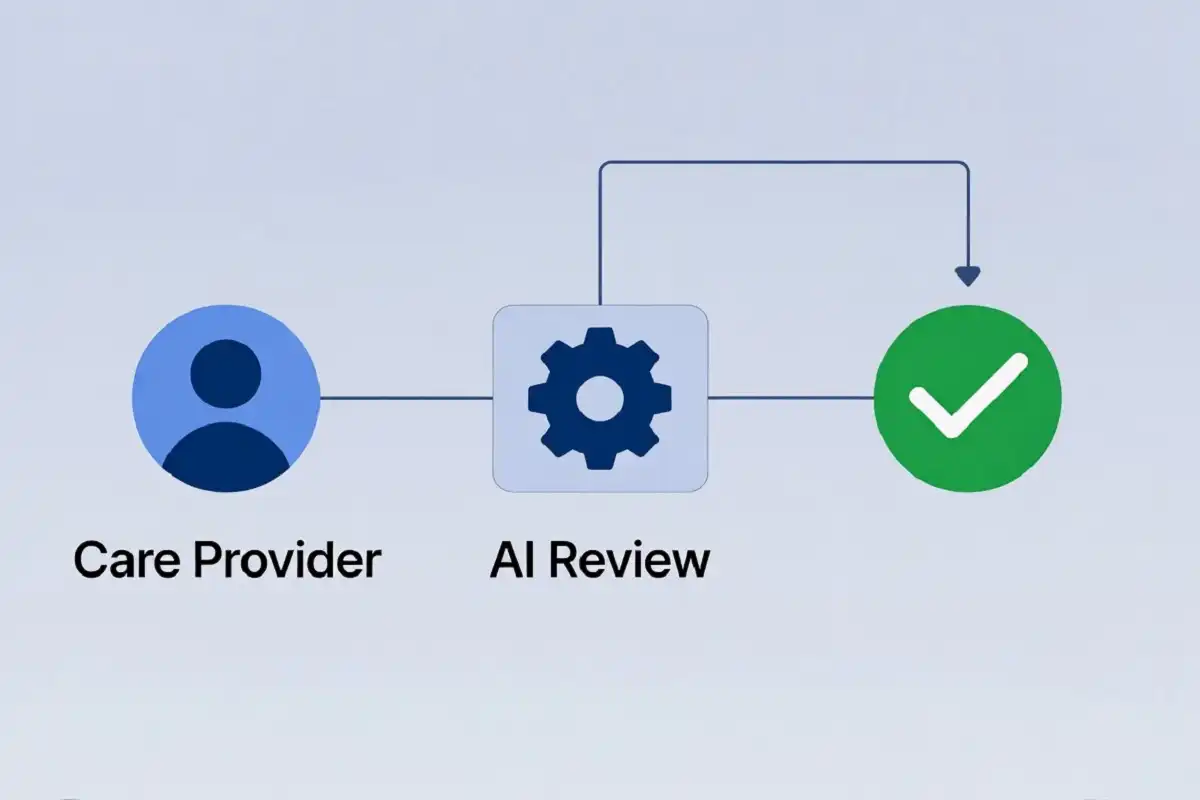
The platform combines artificial intelligence with human clinical oversight, which is a key part of its design.
AI-Powered Decisions
The technology aims to approve straightforward cases instantly while flagging complex ones for review. With 85% real-time approvals, the platform accelerates patient access to care while reducing administrative burdens, and the remaining submissions are reviewed by a clinician before final determination.
Provider-First Workflows
Doctors can submit requests inside the systems they already use. The platform integrates with EHR and practice management systems so providers can submit authorizations directly, receive real-time status updates, and maintain a complete audit trail within their existing workflows.
Clinical Intelligence
Rather than generic rules, the system uses evidence-based guidance. The company aligns physicians and health plans on evidence-based care paths for the patient’s entire care journey, reducing denial rates and medical expenses while improving outcomes.
Measurable Benefits
The biggest selling point is speed. The company’s platform and AI-powered solutions help patients get care 70% faster than traditional prior authorization processes.
Beyond speed, the platform reports strong satisfaction and savings. It supports 47 million payer-provider interactions annually, resulting in up to 9x return on investment and 94% provider satisfaction.
Faster approvals matter most for people managing serious or ongoing conditions, where timing affects recovery. Stories like stroke recovery and life today show why quick access to care can make a real difference.

Keeping Up With New Rules
Healthcare regulations are pushing prior authorization toward digital, faster systems, and Cohere has positioned itself around those changes. Its Cohere Connect product helps health plans meet prior authorization compliance mandates outlined in the CMS Interoperability and Prior Authorization Final Rule, using scalable APIs built to HL7 FHIR standards.
The company also takes part in shaping industry standards. Its technology experts serve on the HL7 Da Vinci Project Steering Committee, helping shape implementation guides for FHIR-based prior authorization APIs.

For readers comparing how services handle access and benefits, this look at health service plans and key benefits is a helpful reference. You can also see how media shapes health coverage topics for wider context.
To learn more from official sources, the Centers for Medicare & Medicaid Services explains prior authorization rules, and the American Medical Association shares ongoing research on reform.
Who Uses Cohere Health?
The platform mainly serves health plans, but its effects reach providers and patients too. Large insurers use it to modernize their review process, while doctors and clinics benefit from faster decisions and less paperwork. The company works with the nation’s leading health plans and has been recognized on TIME’s World’s Top HealthTech Companies 2025 list.
FAQs
What does Cohere Health actually do?
Cohere Health provides AI-powered software that handles prior authorization, the approval step health plans require before certain treatments. It speeds up decisions, reduces paperwork, and connects doctors with health plans more smoothly.
Does AI make the final approval decision?
No, AI handles routine approvals automatically, but complex cases are sent to a clinician for review before any final determination. This keeps a human expert involved in higher-stakes decisions.
Is Cohere Health a health insurance company?
No, it is a technology and clinical intelligence company, not an insurer. It works behind the scenes with health plans to manage and speed up the authorization process.
How does it help patients?
Patients benefit through faster care decisions and fewer delays before treatment begins. The platform aims to cut the long waits that often come with traditional prior authorization.
Does it follow government regulations?
Yes, its products are designed to meet CMS prior authorization rules and use recognized interoperability standards. The company also helps shape industry guidelines for digital authorization.
Conclusion
Cohere Health shows how thoughtful use of AI can ease one of healthcare’s most frustrating steps. By speeding approvals, lowering denial rates, and keeping clinicians in the loop, it helps patients reach care sooner while reducing the load on doctors and health plans. If you found this guide useful, explore more of our health explainers, including what we know about Hulk Hogan’s health, and share this article with anyone navigating insurance approvals.