
Introduction
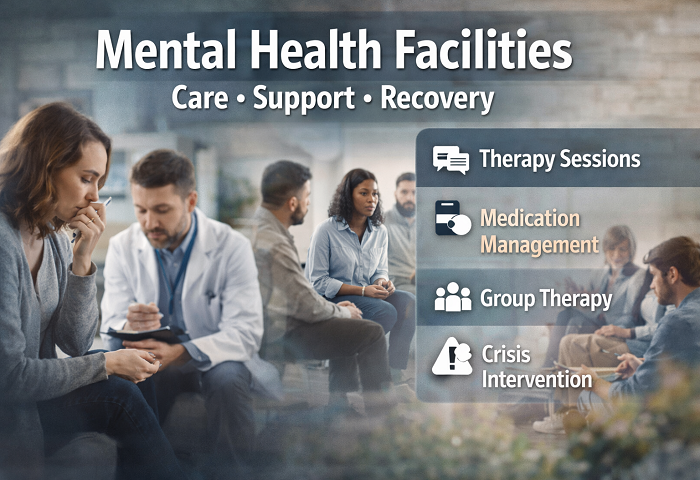
Mental health is no longer a topic we can afford to ignore. As awareness grows globally, more people are recognizing the importance of seeking professional help for emotional, psychological, and behavioral challenges. This is where mental health facilities play a crucial role.
These facilities are designed to provide structured care, support, and treatment for individuals struggling with mental health conditions. Whether it’s anxiety, depression, trauma, or severe psychiatric disorders, the right environment can make a life-changing difference.
In this comprehensive guide, we’ll explore what mental health facilities are, the different types available, the services they offer, and how to choose the right one for yourself or a loved one.
What Are Mental Health Facilities?
Mental health facilities are specialized centers that provide diagnosis, treatment, and support for individuals dealing with mental health issues. These facilities can range from outpatient clinics to full-scale residential treatment centers.
They are staffed by trained professionals such as:
- Psychiatrists
- Psychologists
- Therapists and counselors
- Social workers
- Psychiatric nurses
The primary goal of Psychiatric facilities is to help individuals stabilize, recover, and improve their overall quality of life.
Why Mental Health Facilities Are Important
Mental health conditions can affect anyone, regardless of age, gender, or background. Without proper treatment, these conditions can worsen and impact relationships, careers, and physical health.
Here’s why Psychiatric facilities are essential:
1. Professional Support
Patients receive care from licensed experts who understand complex mental health conditions.
2. Structured Environment
A safe and controlled environment helps individuals focus on healing without external stressors.
3. Access to Therapy
Facilities provide various therapies like cognitive behavioral therapy (CBT), group therapy, and medication management.
4. Crisis Intervention
For severe cases, Psychiatric facilities offer immediate intervention and stabilization.
Types of Mental Health Facilities
Understanding the different types of mental health facilities can help you choose the most appropriate level of care.
1. Inpatient Mental Health Facilities
These are residential centers where patients stay for a specific period. They are ideal for individuals experiencing severe mental health crises.
Key features:
- 24/7 supervision
- Intensive therapy
- Medication management
- Crisis stabilization
2. Outpatient Mental Health Facilities
Outpatient facilities allow patients to live at home while attending scheduled therapy sessions.
Best for:
- Mild to moderate conditions
- Ongoing treatment
- Flexible schedules
3. Residential Treatment Centers
These facilities provide long-term care in a home-like environment.
Focus areas:
- Chronic mental health conditions
- Behavioral issues
- Dual diagnosis (mental health + substance abuse)
4. Psychiatric Hospitals
Psychiatric hospitals are specialized mental health facilities designed for acute and severe cases.
Services include:
- Emergency care
- Intensive psychiatric treatment
- Short-term stabilization
5. Community Mental Health Centers
These centers provide affordable and accessible care for local communities.
Benefits:
- Low-cost services
- Preventive care
- Counseling and support programs
Services Offered by Mental Health Facilities
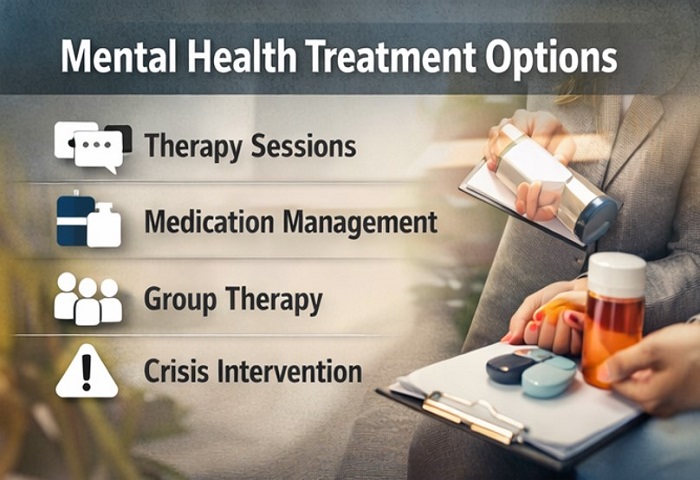
Modern Psychiatric facilities offer a wide range of services tailored to individual needs.
1. Psychological Therapy
Therapies commonly offered include:
- Cognitive Behavioral Therapy (CBT)
- Dialectical Behavior Therapy (DBT)
- Psychodynamic therapy
- Family therapy
2. Medication Management
Psychiatrists prescribe and monitor medications to help manage symptoms.
3. Group Therapy
Group sessions help patients share experiences and build a support network.
4. Crisis Intervention
Immediate support for individuals experiencing suicidal thoughts or severe emotional distress.
5. Rehabilitation Programs
These programs focus on helping patients reintegrate into daily life.
How to Choose the Right Mental Health Facility
Selecting the right mental health facility can feel overwhelming, but focusing on key factors can simplify the process.
1. Identify Your Needs
Ask yourself:
- Is the condition mild, moderate, or severe?
- Do you need inpatient or outpatient care?
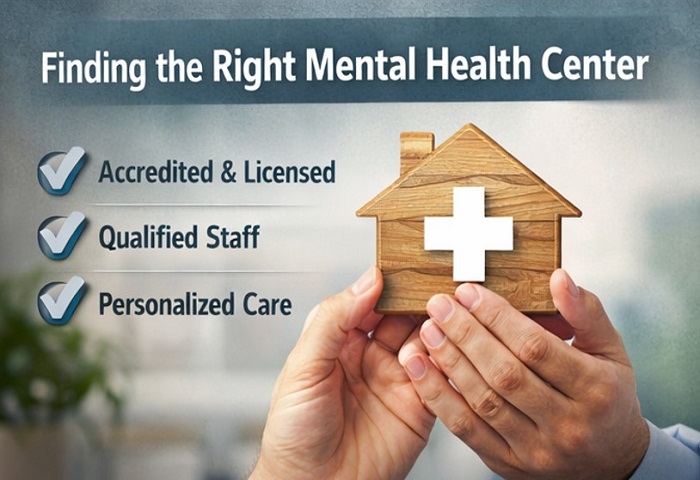
2. Check Accreditation
Ensure the facility is licensed and accredited by relevant health authorities.
3. Evaluate Treatment Options
Look for facilities that offer evidence-based therapies and personalized treatment plans.
4. Consider Location
Some prefer facilities close to home, while others benefit from a new environment.
5. Review Staff Credentials
Qualified and experienced professionals are essential for effective care.
6. Read Reviews and Testimonials
Patient experiences can provide valuable insights.
Benefits of Mental Health Facilities
Choosing professional care through Psychiatric facilities offers numerous advantages:
1. Holistic Care
Facilities address emotional, psychological, and sometimes physical health.
2. Safe Environment
Patients are protected from harmful triggers and situations.
3. Peer Support
Interacting with others facing similar challenges reduces isolation.
4. Structured Routine
Daily schedules help build discipline and stability.
Challenges in Accessing Mental Health Facilities
Despite their importance, access to Psychiatric facilities can be limited.
1. Cost
Some facilities can be expensive without insurance.
2. Stigma
Social stigma still prevents many people from seeking help.
3. Availability
In some regions, there is a shortage of quality mental health care services.
4. Awareness
Many people are unaware of available options.
The Role of Technology in Mental Health Care
Technology is transforming how mental health facilities operate.
1. Teletherapy
Online counseling sessions make therapy more accessible.
2. Mobile Apps
Apps provide mood tracking and guided therapy exercises.
3. AI-Based Support
Some platforms use AI for early detection and support.
Mental Health Facilities for Different Age Groups
1. Children and Adolescents
Specialized programs address developmental and behavioral issues.
2. Adults
Focus on stress, anxiety, depression, and work-related challenges.
3. Elderly
Care for dementia, loneliness, and age-related mental health conditions.
Signs You May Need a Mental Health Facility
Consider seeking help if you experience:
- Persistent sadness or anxiety
- Difficulty functioning in daily life
- Suicidal thoughts
- Substance abuse issues
- Severe mood swings
Early intervention can significantly improve outcomes.

How Mental Health Facilities Support Recovery
Recovery is a journey, and Psychiatric facilities provide the tools needed for long-term success.
1. Personalized Treatment Plans
Every patient receives tailored care based on their condition.
2. Skill Development
Patients learn coping strategies and life skills.
3. Continuous Monitoring
Progress is tracked and treatment is adjusted as needed.
Breaking the Stigma Around Mental Health Facilities
One of the biggest barriers to seeking help is stigma. Many people fear judgment or misunderstanding.
However, visiting Psychiatric facilities is no different from seeking treatment for physical health issues. It’s a step toward healing, not a sign of weakness.
Future of Mental Health Facilities
The future looks promising, with improvements in:
- Accessibility
- Personalized care
- Integration of technology
- Awareness and education
As society evolves, Psychiatric facilities will continue to play a vital role in global well-being.
Conclusion
Mental health is just as important as physical health, and seeking help should never be delayed. Mental health facilities provide the care, support, and structure needed to navigate challenges and achieve recovery.
Whether you or someone you love is struggling, remember that help is available—and healing is possible.