
Introduction
Britney Spears mental health has been one of the most discussed topics in pop culture over the last two decades. Once crowned the “Princess of Pop,” Britney rose to global fame at a very young age, capturing millions of hearts with her music, charisma, and iconic performances. However, behind the glittering success was a deeply personal and complex mental health journey that unfolded in the public eye.
The conversation around Britney Spears mental health is not just about one celebrity—it reflects broader issues like media pressure, lack of privacy, legal control, and the importance of mental health awareness. From her widely publicized breakdown in 2007 to the controversial conservatorship and eventual freedom, Britney’s story is both heartbreaking and inspiring.
This article explores her journey in depth, including the causes of her struggles, the impact of fame, and the lessons society can learn.
The Rise to Stardom and Early Pressure
Britney Spears became a household name in the late 1990s with hits like “…Baby One More Time.” At just 16, she was already navigating global fame, intense scrutiny, and a demanding career.
Early Fame and Its Psychological Impact
Fame at a young age can significantly affect mental health. In Britney’s case:
- She had little privacy
- She faced constant media scrutiny
- Her personal life became public property
These factors are known contributors to celebrity mental health struggles, especially when combined with the pressure to maintain a perfect public image.
Britney was expected to be both a role model and a pop icon—two roles that often conflict. This dual expectation can lead to identity confusion, anxiety, and emotional exhaustion.
The 2007 Breakdown: What Really Happened?
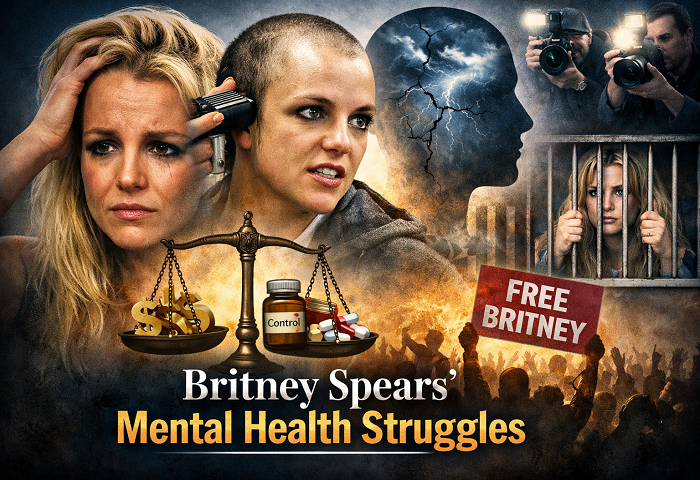
One of the most pivotal moments in discussions about Britney Spears mental health is her 2007 breakdown. Images of her shaving her head and attacking paparazzi cars became global headlines.
Understanding the Context
While the media portrayed it as a shocking meltdown, the reality was more nuanced:
- She was going through a divorce
- She lost custody of her children temporarily
- She faced relentless paparazzi harassment
- She had no real support system
These circumstances created a perfect storm of emotional distress.
Media’s Role in the Breakdown
The media often sensationalized her struggles instead of offering empathy. Headlines mocked her instead of addressing the underlying mental health crisis.
This reflects a broader issue: society often treats celebrity breakdowns as entertainment rather than signs of distress.
The Conservatorship: Control Over Her Life
In 2008, Britney Spears was placed under a conservatorship—a legal arrangement typically reserved for individuals unable to make decisions for themselves.
What Is a Conservatorship?
A conservatorship gives another person control over:
- Finances
- Medical decisions
- Career choices
In Britney’s case, her father and legal team controlled nearly every aspect of her life.
Impact on Mental Health
Being under such strict control for over a decade had profound psychological effects:
- Loss of autonomy
- Feelings of helplessness
- Emotional suppression
Experts often highlight that lack of control can worsen mental health conditions, leading to depression and anxiety.
The Free Britney Movement
The Free Britney movement began as a grassroots campaign by fans who believed Britney was being unfairly controlled.
Why Did It Gain Momentum?
Several factors contributed:
- Inconsistencies in her conservatorship
- Her continued ability to work and perform
- Cryptic messages from Britney herself
The movement shed light on potential misuse of legal guardianship systems.
Mental Health and Advocacy
This movement also sparked global conversations about:
- Patient rights
- Legal abuse
- Mental health stigma
It emphasized that mental health challenges should not justify lifelong control over a person’s autonomy.
Life Under Pressure: The Psychology of Fame
Britney Spears’ mental health struggles highlight the psychological effects of fame, especially in the music industry.
Constant Surveillance
Celebrities like Britney live under constant observation:
- Paparazzi follow them everywhere
- Social media amplifies every mistake
- Public criticism is relentless
This level of scrutiny can lead to:
- Anxiety disorders
- Paranoia
- Emotional burnout
Isolation Despite Fame
Ironically, fame can be isolating. Britney often lacked genuine relationships due to:
- Trust issues
- Professional exploitation
- Limited personal freedom
Recovery and Regaining Freedom
In 2021, Britney Spears’ conservatorship was finally terminated after years of legal battles and public advocacy.
What Changed?
- She regained control over her finances
- She could make personal decisions
- She began speaking openly about her experiences
Mental Health After Freedom
Recovery is not instant. For Britney:
- Healing involves processing trauma
- Rebuilding identity takes time
- Trust must be relearned
However, her freedom marked a crucial step toward emotional recovery.
Social Media and Self-Expression
Post-conservatorship, Britney has used social media as a platform for self-expression.
Mixed Reactions from the Public
Some fans support her authenticity, while others express concern.
This raises an important point:
Who decides what “normal” looks like?
After years of control, her behavior may reflect:
- A desire for autonomy
- Emotional release
- Reclaiming her identity
Lessons from Britney Spears’ Mental Health Journey
Britney Spears’ story offers several important lessons:
1. Mental Health Is Complex
Mental health cannot be reduced to a single incident or label. Britney’s journey shows how multiple factors—trauma, fame, legal control—interact.
2. Media Responsibility Matters
The media plays a crucial role in shaping narratives. Sensationalism can harm individuals experiencing mental health crises.
3. Autonomy Is Essential
Control over one’s life is fundamental to mental well-being. The conservatorship highlighted how lack of autonomy can worsen mental health.
4. Public Empathy Is Needed
Instead of judgment, society should offer understanding and support.
Mental Health Awareness in the Entertainment Industry
Britney Spears’ experience has prompted discussions about improving mental health support in the entertainment industry.
Key Changes Needed
- Better access to therapy and counseling
- Protection from media exploitation
- Stronger legal safeguards
Supporting Artists
Artists need:
- Safe environments
- Mental health resources
- Respect for personal boundaries
The Role of Trauma in Britney’s Story
Trauma plays a significant role in understanding Britney Spears mental health.
Sources of Trauma
- Childhood fame
- Public scrutiny
- Loss of personal freedom
Long-Term Effects
Trauma can lead to:
- Anxiety
- Depression
- Emotional instability
Understanding trauma helps shift the narrative from judgment to compassion.
Public Perception vs Reality
Many people formed opinions about Britney based on media portrayals. However, these portrayals often lacked context.
Changing Narratives
The Free Britney movement helped reshape public perception by:
- Highlighting her lack of freedom
- Showing her resilience
- Encouraging empathy
Britney Spears Today: A Work in Progress
Today, Britney Spears is in a phase of rediscovery.
What Does Recovery Look Like?
Recovery is not linear. It involves:
- Healing emotionally
- Rebuilding relationships
- Finding purpose
Britney continues to navigate her journey, reminding us that healing takes time.
Why Britney’s Story Matters
Britney Spears’ mental health journey is more than celebrity gossip—it’s a reflection of societal attitudes toward mental health.
Broader Implications
- Challenges stigma
- Highlights systemic issues
- Encourages open conversations
Her story has inspired millions to rethink how mental health is treated.
Conclusion
The story of Britney Spears mental health is a powerful reminder of the human cost of fame, control, and misunderstanding. It reveals how quickly society can judge and how slowly it learns to empathize.
From her rise to stardom to her struggles and eventual freedom, Britney’s journey underscores the importance of compassion, awareness, and respect for individual autonomy.
As conversations around mental health continue to evolve, her story remains a crucial example of why these discussions matter.