
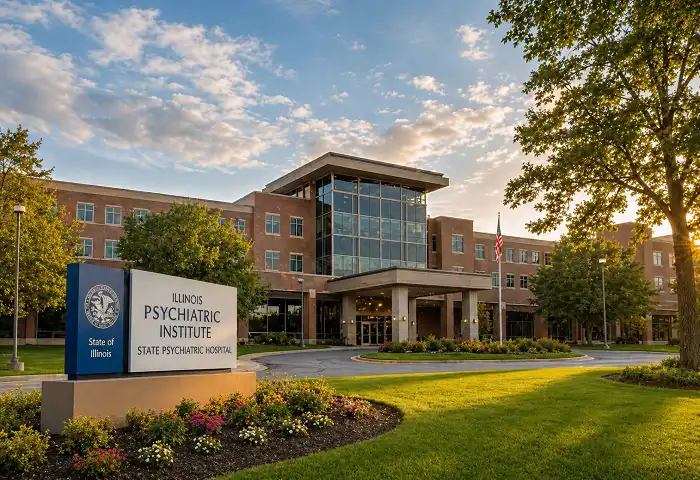
Introduction: Why Madden Mental Health Center Matters
When a mental health crisis strikes, finding the right facility quickly can make all the difference. For residents of the greater Chicago area and surrounding Cook County communities, the Madden Mental Health Center has stood as a critical pillar of publicly funded psychiatric care for decades. Whether you are seeking help for yourself, a family member, or a loved one facing serious mental illness, substance use disorders, trauma, or co-occurring conditions, understanding what the Madden Mental Health Center offers — and how to access it — is an essential first step toward recovery.
This comprehensive guide covers everything you need to know about the Madden Mental Health Center, from its history and location to its full range of treatment programs, insurance options, specialized therapies, and the populations it serves. By the end of this article, you will have a clear picture of whether this facility is the right fit for your mental health needs or those of someone you care about.
What Is the Madden Mental Health Center?
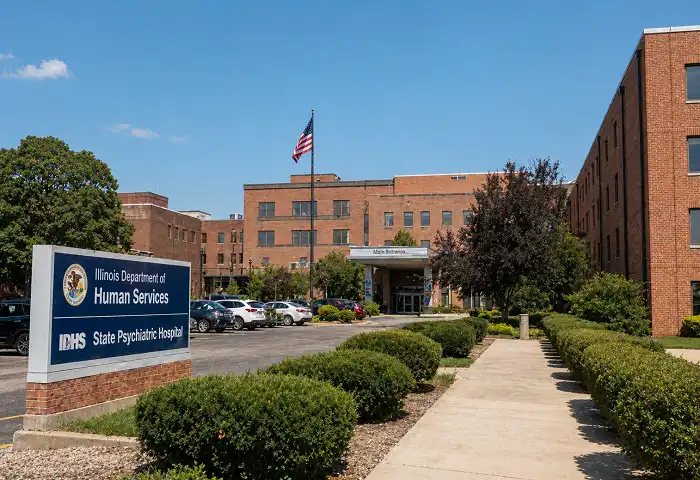
The Madden Mental Health Center, formally known as the John J. Madden Mental Health Center, is a state-operated psychiatric hospital located at 1200 South First Avenue, Hines, Illinois 60141. It operates under the Illinois Department of Human Services (IDHS) and serves as one of only two state-run mental health facilities in the Chicago metropolitan area, making it an invaluable resource for the region’s most vulnerable populations.
As a 140-bed facility, the Madden Mental Health Center has an operational patient capacity set at approximately 100 patients and provides care to roughly 2,300 patients annually. This scale underscores the significant role the center plays in meeting the mental health needs of the Chicagoland community. Because it is state-funded and operated, the Madden Mental Health Center accepts patients who rely on Medicaid, Medicare, and state-financed health plans — ensuring that financial barriers do not prevent people in need from receiving psychiatric care.
The center is classified as a psychiatric hospital and is recognized across authoritative directories including U.S. News & World Report, Medicare’s Care Compare, and SAMHSA’s national treatment locator. Its primary mission is to serve adults facing serious mental illness, trauma, PTSD, substance use disorders, and other complex psychiatric conditions that require structured, professional intervention.
Location and Accessibility
The Madden Mental Health Center is situated in Hines, Illinois, a suburb located just west of Chicago in Cook County. Its address — 1200 South First Avenue — places it in close proximity to public transportation routes and major roadways, making it accessible to patients and families traveling from across the greater Chicago area.
You can reach the Madden Mental Health Center directly by calling 708-338-7202. Staff members who assist with admissions and inquiries are available to guide you through the intake process, verify insurance coverage, and answer questions about available programs.
Being one of only two state psychiatric hospitals serving the Chicago area, the Madden Mental Health Center holds particular importance for Cook County residents who need publicly funded inpatient care but have limited financial means. Its central location within the Chicagoland community ensures that geography does not become an unnecessary obstacle to receiving life-changing mental health services.
Treatment Programs at Madden Mental Health Center

One of the greatest strengths of the Madden Mental Health Center is the breadth and depth of its treatment offerings. The facility provides a continuum of care spanning inpatient psychiatric services, outpatient programs, and robust recovery support services. Here is a detailed look at each major program area.
Inpatient Psychiatric Care

The flagship offering of the Madden Mental Health Center is its hospital inpatient program. Inpatient care at the center is designed for adults in psychiatric crisis who require 24-hour medical supervision, stabilization, and intensive therapeutic intervention. Patients admitted to the inpatient unit receive:
- Individual psychotherapy — One-on-one sessions with licensed clinicians to explore the root causes of mental health challenges, develop coping strategies, and work toward stabilization and recovery.
- Group therapy — Structured group sessions that build peer support, communication skills, and shared understanding among patients facing similar struggles.
- Trauma therapy — Evidence-based interventions specifically designed to help patients process and heal from traumatic experiences, a critical component for many individuals with serious mental illness.
- Couples and family therapy — Sessions that involve significant others and family members to strengthen support networks and improve relationship dynamics that may impact recovery.
- Activity therapy — Therapeutic activities that engage patients physically and creatively, supporting holistic well-being during inpatient stays.
- Telemedicine therapy — Remote therapeutic sessions that extend access to mental health care, particularly valuable for patients with mobility limitations or those transitioning between levels of care.
The inpatient program at the Madden Mental Health Center is specifically tailored to adults aged 18 and older, with specialized tracks for young adults, general adults, and seniors 65 or older.
Outpatient and Psychosocial Rehabilitation
Beyond inpatient services, the Madden Mental Health Center offers outpatient addiction treatment programs and psychosocial rehabilitation. These programs are structured for individuals who do not require round-the-clock hospitalization but still need structured therapeutic support to maintain stability and continue their recovery journey.
Outpatient programming at the Madden Mental Health Center is particularly valuable for:
- People stepping down from inpatient care who need continued therapeutic oversight.
- Individuals fulfilling court-ordered treatment requirements.
- Patients managing chronic mental health conditions who benefit from regular, scheduled mental health support without full hospitalization.
Psychosocial rehabilitation at the Madden Mental Health Center emphasizes rebuilding practical life skills — from communication and daily living routines to vocational readiness — enabling patients to reintegrate more successfully into their communities after treatment.
Dual Diagnosis and Co-Occurring Disorders Treatment
A particularly important specialty of the Madden Mental Health Center is its integrated approach to dual diagnosis treatment, also known as co-occurring disorder treatment. Many individuals who arrive at the center are managing both serious mental illness and substance use disorders simultaneously. This dual burden significantly complicates recovery if treated in isolation.
The Madden Mental Health Center offers integrated mental and substance use disorder treatment, where clinicians address both conditions in tandem rather than treating them separately. This evidence-based approach improves long-term outcomes by helping patients understand how their mental health and substance use challenges interact and reinforce one another.
Treatment approaches for dual diagnosis at the Madden Mental Health Center include cognitive behavioral therapy (CBT), group therapy, psychiatric medication management, and mentoring or peer support services. The center also screens for tobacco use as part of its broader integrated health assessment protocol.
Populations Served at Madden Mental Health Center
The Madden Mental Health Center is specifically equipped and trained to serve a diverse range of patient populations. Its staff is highly trained in providing culturally sensitive, age-appropriate, and diagnosis-specific care to the following groups:
By age:
- Young adults (ages 18–25)
- General adults (ages 26–64)
- Seniors 65 and older
By diagnosis and clinical need:
- Persons with serious mental illness (SMI)
- Persons with co-occurring mental health and substance use disorders
- Persons who have experienced trauma
- Persons living with PTSD
- Individuals managing anxiety disorders, depression, bipolar disorder, OCD, ADHD, schizophrenia, and other psychiatric conditions
By social circumstance: The Madden Mental Health Center also works closely with individuals who have experienced homelessness, domestic violence, or other social crises. The facility collaborates with domestic violence victim services, rape crisis centers, and youth crisis programs across Illinois to create a holistic safety net for people requiring care well beyond psychiatric stabilization alone.
Therapeutic Approaches Used at Madden Mental Health Center
The clinical team at the Madden Mental Health Center uses a variety of evidence-based therapeutic approaches to guide patient treatment. These include:
Cognitive Behavioral Therapy (CBT): One of the most widely validated forms of psychotherapy, CBT helps patients identify and restructure negative thought patterns that drive problematic behaviors and emotional distress.
Trauma-Informed Care: All services at the Madden Mental Health Center are delivered within a trauma-informed framework, meaning staff are trained to recognize the widespread impact of trauma and integrate that understanding into every aspect of patient care.
Integrated Dual Diagnosis Treatment: As described above, this approach simultaneously addresses mental health and substance use disorders.
Activity Therapy: Creative and physical activities are incorporated into care plans to support cognitive engagement, emotional expression, and holistic recovery.
Family Psychoeducation: Families and caregivers of patients at the Madden Mental Health Center receive education about mental illness, effective communication strategies, and how to create supportive home environments that reinforce recovery after discharge.
Peer Support and Mentoring: The center provides mentoring and consumer-run peer support services, connecting patients with individuals who have lived experience of mental health recovery. This approach reduces isolation, builds hope, and models what sustained recovery looks like in practice.
Medication Management at Madden Mental Health Center
Psychiatric medication plays a central role in the treatment of serious mental illness, and the Madden Mental Health Center maintains a robust pharmacotherapy program. The center uses a wide range of antipsychotic medications in the treatment of serious mental illness, administered and monitored by board-certified psychiatrists and clinical pharmacists.
Medications used at the Madden Mental Health Center include antipsychotics such as aripiprazole, clozapine, haloperidol, olanzapine, paliperidone, quetiapine, risperidone, lurasidone, ziprasidone, and others. Nicotine replacement therapy is also available, reflecting the center’s attention to the full spectrum of patient health.
Medication decisions at the Madden Mental Health Center are made collaboratively between the patient, their treatment team, and when appropriate, family members. Patients have the right to be informed about their medications, including potential benefits and side effects, and formal policies govern how medication refusals and emergency administrations are handled in accordance with the Illinois Mental Health and Developmental Disabilities Code.
Insurance and Payment Options

A major advantage of the Madden Mental Health Center as a state-operated facility is its commitment to financial accessibility. The center accepts a wide range of payment sources, including:
- Medicaid — Illinois’ public health insurance program for low-income individuals and families.
- Medicare — Federal health insurance for adults 65 and older, as well as eligible individuals with disabilities.
- Private health insurance — Many private insurance plans are accepted; patients are advised to verify specific coverage details with their insurer.
- State Mental Health Agency Funds — Dedicated state funding ensures that uninsured or underinsured individuals can still access care.
- Community Service Block Grants and Community Mental Health Block Grants — Federal grant funding that further supports access for underserved populations.
- Cash or self-payment — Self-pay options are available for those without insurance coverage.
The Madden Mental Health Center admissions team works with each patient or family to explore the most appropriate payment options, ensuring that financial circumstances do not become a barrier to receiving necessary psychiatric care.
Language Access and Cultural Competency
The Madden Mental Health Center serves a diverse patient population reflecting the rich cultural and linguistic diversity of metropolitan Chicago. To ensure that language is never a barrier to accessing care, the center provides services in multiple languages, including:
- Spanish
- Hindi
- Polish
- Tagalog
- Any Chinese language dialects
- Other languages upon request
This multilingual capability reflects the Madden Mental Health Center’s commitment to cultural competency and equitable access to psychiatric services across Cook County and the broader Chicagoland region.
Patient Rights at Madden Mental Health Center
Patients admitted to the Madden Mental Health Center are protected by a comprehensive set of legal rights enshrined in the Illinois Mental Health and Developmental Disabilities Code (ILCS 405/5). These rights include:
- The right to be free from all forms of abuse — physical, mental, emotional, and financial.
- The right to be informed about treatment options and medications.
- The right to refuse psychotropic medications, subject to clinical review procedures.
- The right to request discharge under established protocols.
- The right to file complaints or grievances without fear of retaliation.
- The right to have family members or legal representatives involved in care decisions.
Upon admission, every patient at the Madden Mental Health Center receives a Patient and Family Handbook that outlines their rights, the treatment process, and how to navigate their stay. The center’s Human Rights Authority (HRA) conducts periodic reviews to ensure compliance with patient rights standards, providing an additional layer of oversight and accountability.
How to Access Care at Madden Mental Health Center
If you or someone you love needs the services of the Madden Mental Health Center, here are the steps to begin the process:
- Call directly: Reach the Madden Mental Health Center at 708-338-7202 to speak with an admissions coordinator about your situation, eligibility, and the intake process.
- Emergency situations: If you are experiencing a psychiatric emergency or are in immediate danger, call 911 or go to your nearest emergency room. The Madden Mental Health Center can also be accessed through referrals from emergency departments and community mental health organizations.
- Crisis line: For 24/7 crisis support, call or text 988 to reach the Suicide and Crisis Lifeline. Crisis counselors can help assess your situation and connect you with appropriate resources, including the Madden Mental Health Center.
- SAMHSA: The Substance Abuse and Mental Health Services Administration (SAMHSA) maintains a national treatment locator at findtreatment.gov that can help you identify appropriate facilities, including the Madden Mental Health Center, based on your specific needs and location.
- Community referrals: The Madden Mental Health Center regularly receives referrals from community mental health centers, courts, social workers, and other healthcare providers across Cook County and the Chicago area.
Why Choose the Madden Mental Health Center?
There are several compelling reasons why the Madden Mental Health Center remains a trusted choice for psychiatric care in Illinois:
State oversight and accountability: As an IDHS-operated facility, the Madden Mental Health Center is subject to rigorous state and federal oversight, ensuring that care standards meet regulatory requirements.
Financial accessibility: Few private psychiatric facilities can match the breadth of insurance and funding options available at the Madden Mental Health Center, making it one of the most accessible options for uninsured and underinsured Illinoisans.
Comprehensive, integrated care: From inpatient stabilization through outpatient rehabilitation, trauma therapy, dual diagnosis treatment, and peer support, the Madden Mental Health Center offers a continuum of care under one institutional umbrella.
Multilingual services: The center’s ability to serve patients in Spanish, Hindi, Polish, Tagalog, and other languages reflects a genuine commitment to serving Chicago’s diverse population.
Community connections: The Madden Mental Health Center does not operate in isolation. It maintains active partnerships with domestic violence programs, rape crisis centers, youth crisis organizations, and other community resources to ensure patients receive holistic, wraparound support.
Final Thoughts
Mental health challenges affect millions of people across Illinois and the United States, and the need for accessible, high-quality psychiatric care has never been greater. The Madden Mental Health Center in Hines, Illinois, represents a vital public resource — a place where individuals experiencing serious mental illness, trauma, substance use disorders, and co-occurring conditions can access structured, evidence-based care regardless of their financial situation.
While no facility is without its challenges, the Madden Mental Health Center continues to fulfill an essential community mission: providing state-funded psychiatric services to some of the most vulnerable members of the Chicagoland community. If you or someone you know is in need of mental health support, do not hesitate to reach out. Recovery is possible, and the Madden Mental Health Center is here to help.