
A juvenile justice analysis helps readers understand how the legal system treats young people accused of breaking the law. The process is different from adult courts because it focuses on growth, guidance, and second chances. This guide explains the main stages, the rights of minors, and the goals behind the system. Whether you are a student, a parent, or simply curious, a careful look at these ideas makes a complex topic easier to follow. The aim here is balance, clarity, and useful information you can trust.
What Is Juvenile Justice?
Juvenile justice is the part of the legal system that handles cases involving minors, usually those under 18. A thoughtful juvenile justice analysis shows that the system was built on a simple belief: young people are still developing and deserve a chance to change.
Instead of focusing only on punishment, the system often looks at the reasons behind a young person’s actions. Courts consider age, family situation, school history, and mental health when deciding how to respond.
Why a Separate System Exists for Minors
The legal system separates youth cases from adult cases for several clear reasons. A useful juvenile justice analysis points to the science of brain development, which suggests that decision-making skills continue forming well into the early twenties.
Key reasons for a separate system include:
- Young people are more open to positive change.
- Early support can prevent future crime.
- Privacy protections shield minors from lasting harm.
- Rehabilitation often works better than harsh penalties.
These ideas shape how judges, lawyers, and counselors approach each case. You can explore related thinking in this overview of youth crime and the courts.
Main Stages of the Juvenile Court Process
A complete juvenile justice analysis usually follows the case from start to finish. While details vary by region, most systems share similar steps.
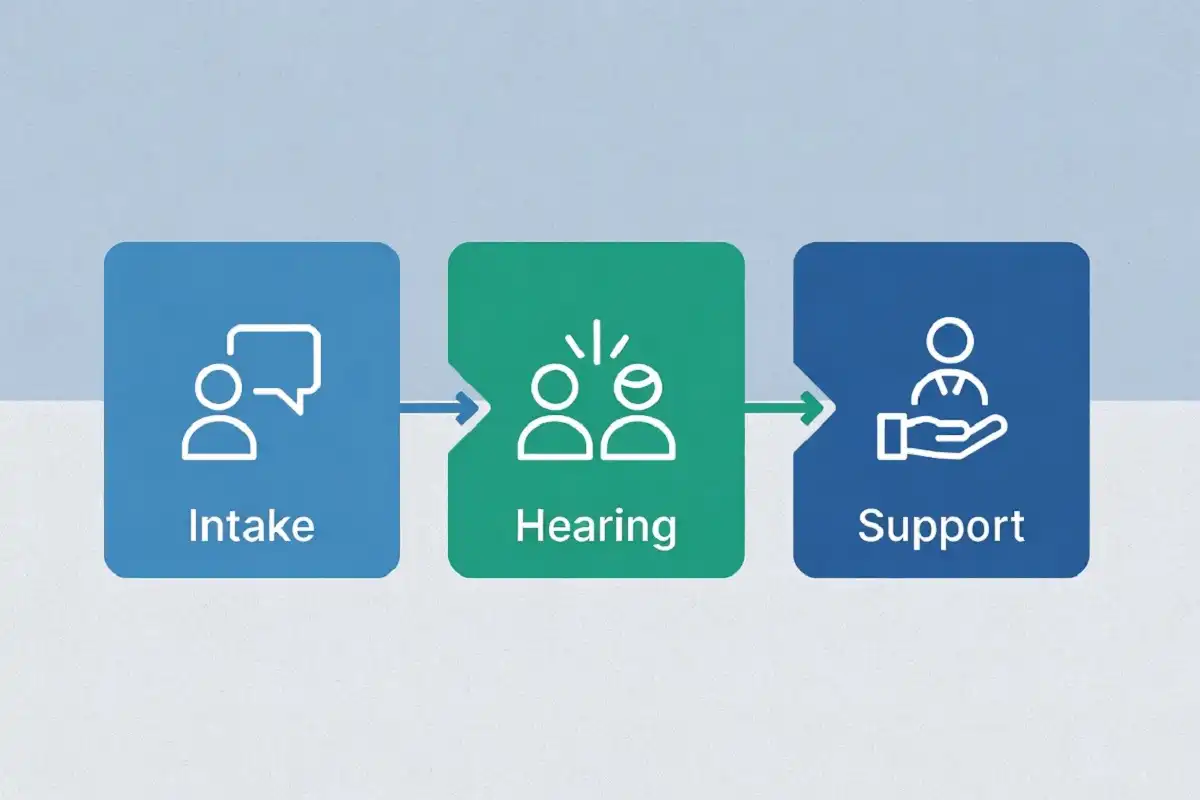
1. Intake and Referral
The process often begins when police or a school refers a case. Officials decide whether to handle the matter informally or move it forward to court. Many minor cases are resolved at this early point.
2. Detention Decision
If needed, a hearing decides whether the young person stays in custody before trial. Courts weigh safety, flight risk, and the seriousness of the situation.
3. Adjudication
This stage is similar to a trial. A judge, rather than a jury in most cases, reviews the facts. A fair juvenile justice analysis stresses that minors still have legal protections during this phase.
4. Disposition
If the youth is found responsible, the court decides on a response. Options may include counseling, community service, probation, or placement in a treatment program.
5. Aftercare
The final stage supports the young person as they return to school, home, and daily life. Strong aftercare lowers the chance of repeat offenses.
Legal Rights of Young People
Any honest juvenile justice analysis must highlight the rights minors hold. These protections keep the process fair and prevent abuse.
Common rights include:
- The right to a lawyer.
- The right to remain silent.
- The right to be told the charges.
- The right to a fair and timely hearing.
These rights mirror many adult protections, though courts apply them with a young person’s age in mind. For a deeper look at how legal questions can unfold, see this discussion of legal issues in a well-known case.
Rehabilitation Versus Punishment
One of the biggest debates in any juvenile justice analysis is the balance between helping and holding youth accountable. The modern system leans toward rehabilitation, but accountability still matters.
Supporters of rehabilitation argue that:
- Counseling and education reduce future crime.
- Family support improves long-term outcomes.
- Harsh sentences can push youth deeper into trouble.
Those who favor stronger accountability argue that:
- Victims deserve a clear response.
- Some serious cases require firm action.
- Consequences teach responsibility.
A balanced juvenile justice analysis recognizes that both views carry weight, and most systems try to blend the two. To understand how public opinion shapes these debates, this look at community reaction offers helpful context.
How Mental Health Fits In
Mental health plays a growing role in modern juvenile justice analysis. Courts now understand that trauma, learning differences, and untreated conditions can influence behavior.

Many programs now include:
- Mental health screening at intake.
- Access to counselors and therapists.
- Family-based treatment options.
- Coordination with schools and clinics.
This shift reflects a belief that treating the root cause helps more than punishment alone. Reliable guidance from the Office of Juvenile Justice and Delinquency Prevention supports many of these evidence-based approaches.
Modern Reforms and Ongoing Change
The field keeps evolving, and any current juvenile justice analysis should note recent reforms. Many regions now focus on keeping youth out of detention when possible and offering community-based support instead.
Common reform goals include:
- Reducing unnecessary detention.
- Expanding diversion programs.
- Improving fairness across communities.
- Strengthening family involvement.
These changes aim to make the system both fair and effective. Resources from the American Bar Association also track legal updates that affect young people in the courts.
Why This Topic Matters to the Public
Public interest in youth cases has grown, especially when a story spreads widely online. A grounded juvenile justice analysis helps readers separate facts from rumor and understand the rules that actually apply.
When people understand the process, they can form fairer opinions and support better policies. You can read more about how cases capture attention in this piece on why a case went viral.
FAQs
What does a juvenile justice analysis mean?
A juvenile justice analysis is a careful study of how the legal system handles cases involving minors. It looks at court stages, rights, goals, and outcomes to give a clear picture of the process.
At what age does the juvenile system apply?
The juvenile system usually applies to people under 18, though the exact age can vary by location. Some regions set different limits for certain serious offenses.
Is juvenile court the same as adult court?
No, juvenile court is not the same as adult court. It focuses more on rehabilitation, often uses a judge instead of a jury, and includes stronger privacy protections for the young person.
Can a minor have a lawyer?
Yes, a minor has the right to a lawyer during the process. Legal representation helps protect the young person’s rights at every stage of the case.
Does the juvenile system focus on punishment?
The juvenile system focuses more on rehabilitation than pure punishment. Still, accountability remains part of the process, and courts try to balance both goals.
Conclusion
A clear juvenile justice analysis shows that the youth legal system tries to balance fairness, accountability, and the real chance for young people to grow. By focusing on rehabilitation, protecting legal rights, and including mental health support, the system aims to guide rather than only punish. Understanding these ideas helps the public follow cases with fairness and care. The more readers learn about the process, the better they can support thoughtful policies that protect both communities and the young people who pass through the system.