
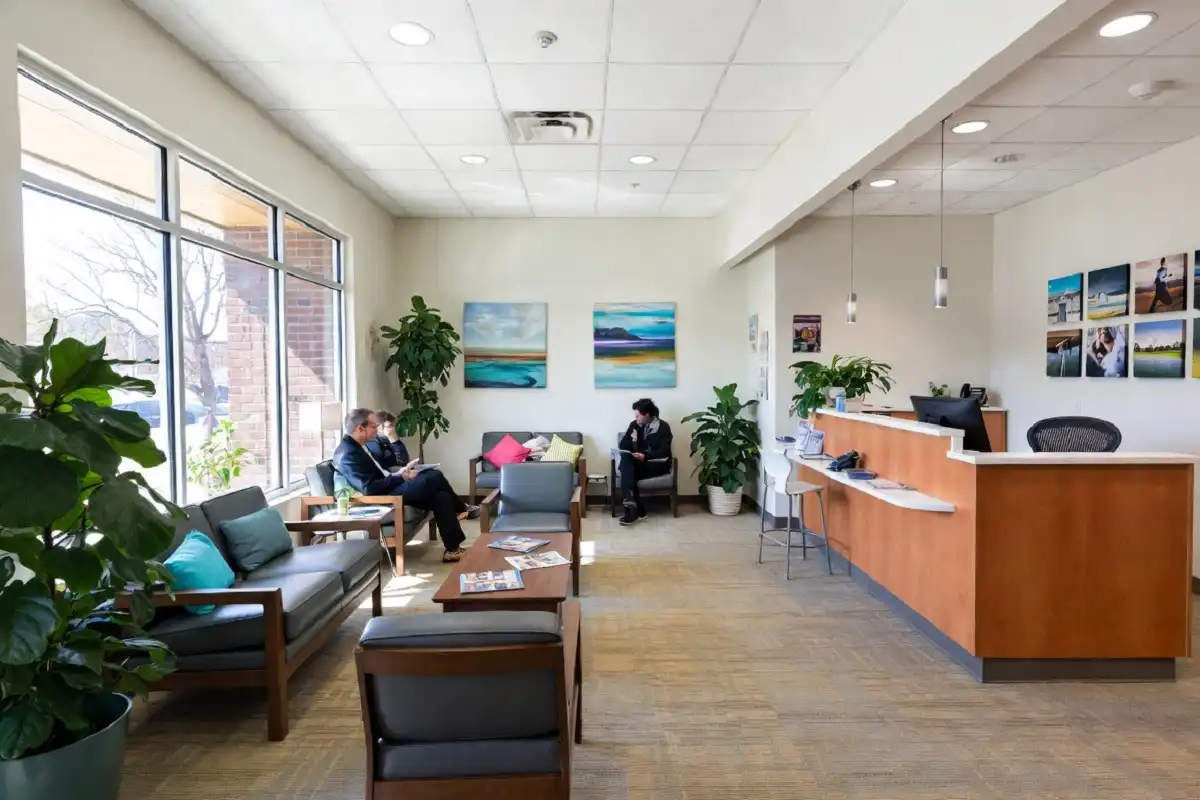
Finding the right mental health support can feel overwhelming, especially when a loved one is struggling. Many families search for trusted, specialized care that treats the whole person. Rogers Behavioral Health is one name that often comes up in that search. This guide explains what the organization does, who it helps, and how its programs work. The goal is to give you clear, useful information so you can make a confident decision about care for yourself or someone you care about.
What Is Rogers Behavioral Health?
Rogers Behavioral Health is a nationally recognized, not-for-profit provider of mental health and addiction treatment. It serves children, adolescents, and adults across the United States. The organization has a long history in the field and is known for using evidence-based methods, which means treatments backed by research and real-world results.
The provider is headquartered in Oconomowoc, Wisconsin, where its roots began. Over time, it has grown into one of the larger behavioral healthcare systems in the country, with more than 20 locations across ten states.
Conditions Treated at Rogers Behavioral Health
The team focuses on a range of mental health and substance use conditions. Care is tailored to each person rather than offered as a one-size-fits-all plan. Common areas of focus include:
- Obsessive-compulsive disorder (OCD) and anxiety
- Depression and other mood disorders
- Eating disorders
- Trauma and PTSD
- Substance use and co-occurring addiction
Because many people face more than one challenge at the same time, the programs are designed to treat co-occurring conditions together. This whole-person approach can lead to better, longer-lasting results.
Levels of Care Explained
One thing that sets the provider apart is its range of treatment levels. Not everyone needs the same intensity of support, so care is matched to each person’s needs.

Inpatient and Residential Care
Inpatient and residential treatment offer the highest level of support. Patients stay on-site and receive structured care in a calm setting away from daily stress. This level suits people who need close monitoring and a safe space to focus fully on recovery.
Partial Hospitalization Programs (PHP)
A partial hospitalization program provides intensive daytime treatment while allowing patients to return home in the evening. It works well for those who need strong support but do not require a full hospital stay.
Intensive Outpatient Programs (IOP)
Intensive outpatient care offers regular therapy sessions that fit around work, school, or family life. This flexible option helps people keep progressing while staying connected to their normal routines.
Telehealth Options
For added convenience, the provider offers telehealth treatment in several states. This lets some patients access specialized care from home, which can remove barriers like travel or distance.
Therapies and Treatment Methods
Treatment combines proven clinical methods with supportive, hands-on activities. Each patient works with a multidisciplinary team that may include a board-certified psychiatrist and other mental health experts.
Common therapies include:
- Cognitive behavioral therapy (CBT), which helps people change unhelpful thinking patterns
- Dialectical behavior therapy (DBT), which builds skills for managing strong emotions
- Exposure and response prevention (ERP), often used for OCD and anxiety
Patients may also take part in experiential therapies such as art, music, yoga, or pet therapy. These activities support healing in ways that talking alone sometimes cannot. For eating disorder care, supervised meals and nutritional counseling are part of the plan.

Who Can Benefit From Rogers Behavioral Health?
The programs serve a wide range of people, which is helpful for families with different needs. Children, teens, and adults can all find age-appropriate care. Some clinics offer specialized tracks, such as DBT-focused care for teenage girls who may struggle with self-harm, mood, or anxiety challenges.
If you are caring for a loved one at home, you may also want to understand broader support systems. A helpful starting point is this simple guide for families on home health care, which explains how in-home support can work alongside clinical treatment.
How to Get Started
Starting care is often the hardest step, but the process is meant to be supportive. Families can reach out by phone or online to request a confidential screening. A trained professional helps figure out which location and level of care fit best.
Insurance is a common worry. The admissions team typically works with insurance providers to confirm what services are covered. You can also contact your insurer directly to verify your benefits before treatment begins.
If you are exploring career paths in this field while researching care, you might find this overview of public health jobs for every skill level interesting. For those balancing wellness goals during recovery, a tool like the Hume Health body pod scale can support healthy tracking habits, though it is not a substitute for clinical guidance.
Why Specialized Care Matters
Specialized treatment can make a real difference for complex conditions. General care may not always address the specific needs of someone with severe OCD, an eating disorder, or trauma. Providers that focus deeply on these areas often build stronger expertise over time.
Outcomes data plays a role here too. Tracking results over many years helps a provider measure what works and improve its programs. This focus on measurement supports a culture of continuous improvement, which benefits patients in the long run.
To learn more about how mental health fits into overall wellbeing, the National Institute of Mental Health offers reliable, research-based information. The Substance Abuse and Mental Health Services Administration also provides a free, confidential national helpline for treatment referrals.
Supporting a Loved One Through Treatment
Family involvement can strengthen recovery. Many programs include family therapy sessions, education, and support groups. These resources help loved ones understand what the person is going through and how to offer steady, healthy support.
It also helps to look after your own wellbeing as a caregiver. Mental and physical health are connected, and resources on topics like men’s health clinics or women’s health services can support the whole family’s care during a difficult season.

FAQs
What does Rogers Behavioral Health treat?
The provider treats OCD, anxiety, depression, mood disorders, eating disorders, trauma, PTSD, and substance use. It also supports people facing more than one of these conditions at the same time, using a whole-person treatment approach for all ages.
Does Rogers Behavioral Health offer care for children?
Yes, care is available for children, adolescents, and adults. Programs are matched to each age group so that younger patients receive support suited to their stage of development and specific needs.
Where is Rogers Behavioral Health located?
The organization is headquartered in Oconomowoc, Wisconsin, and has more than 20 locations across ten states. These include sites in California, Colorado, Florida, Georgia, Illinois, Minnesota, Pennsylvania, Tennessee, Washington, and Wisconsin.
Does Rogers Behavioral Health accept insurance?
In many cases, yes. The admissions team works with insurance providers to confirm coverage. You can also contact your insurer directly to verify your benefits before beginning any treatment program.
Is telehealth available?
Yes, telehealth treatment is offered in several states. This option lets some patients receive specialized care from home, which can help those who face travel, distance, or scheduling challenges.
Conclusion
Choosing mental health support is a personal and important decision. Rogers Behavioral Health offers a range of programs that treat anxiety, OCD, depression, trauma, eating disorders, and addiction for people of all ages. With multiple care levels, evidence-based therapies, and a focus on the whole person, families have options that can match real needs. If you or a loved one is struggling, reaching out for a confidential screening is a strong first step toward healing and a healthier future.