

Introduction
Weight loss has never been a simple equation — and if you’ve tried everything without lasting results, Mochi Health might be the platform that finally changes that. This telehealth service is making waves in 2026 by combining medically supervised obesity care with GLP-1 medications, personalized coaching, and a surprisingly strong focus on mental wellness.
In this guide, you’ll learn exactly what Mochi Wellness is, how it works, who it’s designed for, what it costs, and whether it genuinely delivers results. Whether you’re exploring it for the first time or comparing it to other programs, this honest breakdown covers everything you need to make an informed decision.
What Is Mochi Health?
Mochi Health is a telehealth weight management platform founded to make evidence-based obesity treatment accessible across the United States. Rather than offering a standard diet plan or fitness app, Mochi Wellness takes a clinical approach — connecting patients with licensed healthcare providers who can prescribe FDA-approved medications, including GLP-1 receptor agonists like semaglutide (Wegovy, Ozempic) and tirzepatide (Mounjaro, Zepbound).
The platform operates entirely online, which means patients can access care from home without waiting months for a specialist appointment.
Key Features at a Glance
- Telehealth consultations with licensed physicians and nurse practitioners
- GLP-1 medication prescriptions where clinically appropriate
- Personalized nutrition and lifestyle coaching
- Ongoing support through messaging and check-ins
- Insurance coordination assistance for medication coverage
- Mental health-informed care embedded into the program
How Does Mochi Health Work?
Understanding the Mochi Wellness process is straightforward. Here’s a step-by-step breakdown of what new patients typically experience:
Step 1: Complete the Intake Form
You begin by answering a detailed health questionnaire online. This covers your medical history, weight history, current medications, and lifestyle habits. The goal is to assess whether you’re a good candidate for the program.
Step 2: Virtual Provider Visit
A licensed provider reviews your intake form and schedules a telehealth appointment. During this visit, they discuss your goals, review lab results (if required), and determine whether GLP-1 medications are appropriate for you.
Step 3: Treatment Plan Creation
Your care team creates a personalized treatment plan. This isn’t a one-size-fits-all diet — it’s a medically tailored roadmap that can include:
- Prescription medication (if eligible)
- Nutritional guidance
- Behavioral coaching
- Activity recommendations
Step 4: Ongoing Monitoring and Coaching
Mochi Health doesn’t disappear after your first consultation. Patients receive continuous support through the app, including messaging with their care team, progress tracking, and regular check-ins to adjust the plan as needed.
Who Is Mochi Health Designed For?
Mochi Health is specifically designed for adults who:
- Have a BMI of 30 or above (clinically obese)
- Have a BMI of 27 or above with at least one weight-related health condition (such as type 2 diabetes, hypertension, or sleep apnea)
- Have struggled with traditional diet and exercise programs without lasting results
- Want medically supervised support rather than a DIY approach
It is not a platform for people seeking quick cosmetic weight loss or those without underlying clinical need. This is intentional — the program is built on legitimate medical standards, not wellness trends.
The Mental Health Connection: Why It Matters
One of the most overlooked aspects of Mochi Health is its attention to the psychological dimensions of obesity and weight management. Chronic weight struggles are deeply tied to mental health — from depression and anxiety to disordered eating patterns, trauma history, and low self-esteem.

Mochi Health acknowledges this connection by incorporating behavioral health perspectives into care. Providers are trained to recognize when a patient’s mental health is affecting their physical health goals. This matters because, as research consistently shows, treating the body without addressing the mind rarely leads to lasting change.
If you’re exploring how mental health intersects with your physical wellness journey, resources like this complete 2026 mental health awareness guide offer valuable context on why a holistic approach — exactly what Mochi Wellness attempts — is so important.
For those navigating anxiety, depression, or emotional eating alongside a weight management program, it may also be worth exploring what inpatient mental health treatment involves for more intensive needs, or checking whether free mental health services near you might complement your Mochi Wellness plan.
GLP-1 Medications: The Core of Mochi Health’s Approach
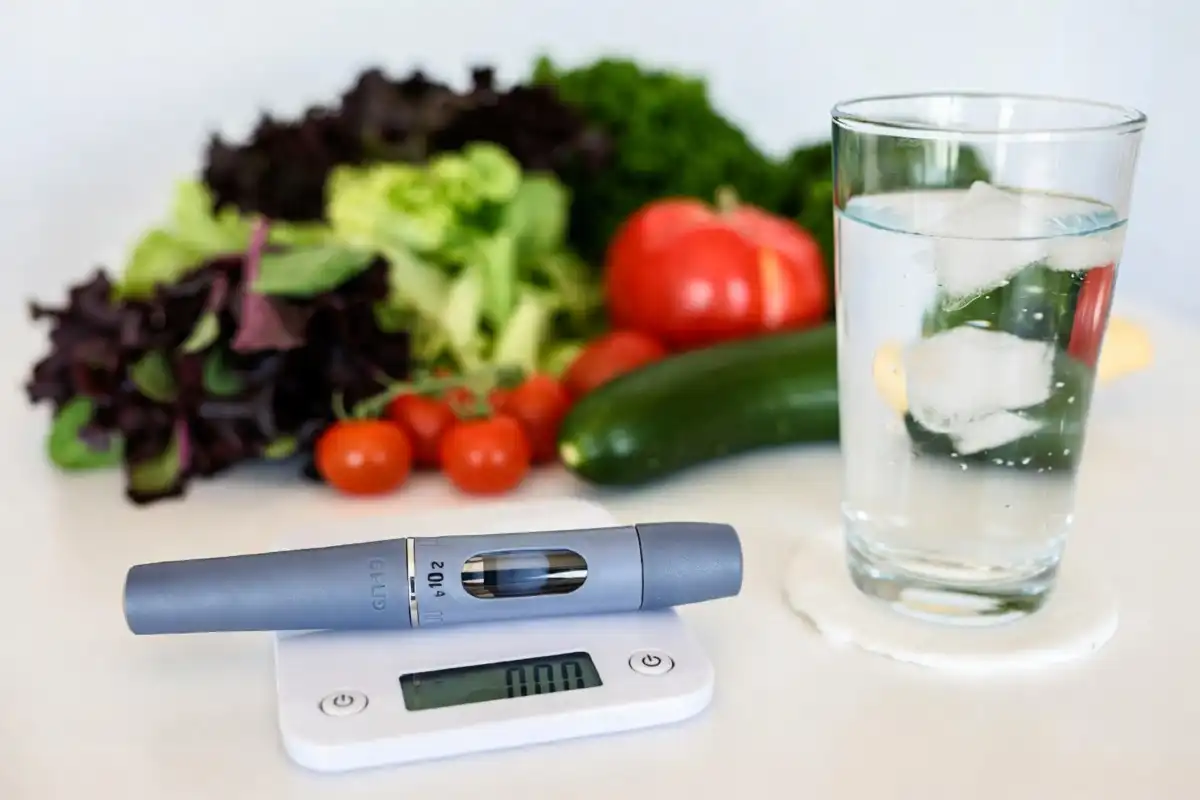
GLP-1 (glucagon-like peptide-1) receptor agonists are the cornerstone of Mochi Health’s clinical protocol. These medications were originally developed to treat type 2 diabetes but have demonstrated remarkable effectiveness for weight loss.
How GLP-1 Medications Work
- They mimic a natural gut hormone that signals fullness to the brain
- They slow gastric emptying, keeping you satisfied longer after meals
- They reduce appetite and cravings at a neurological level
- Some also improve blood sugar regulation and cardiovascular health
Common GLP-1 medications Mochi Wellness providers may prescribe include:
- Semaglutide (Wegovy for weight loss, Ozempic for diabetes)
- Tirzepatide (Zepbound for weight loss, Mounjaro for diabetes)
- Liraglutide (Saxenda)
According to clinical trial data from the National Institutes of Health, patients on semaglutide lost an average of 15–17% of their body weight over 68 weeks when combined with lifestyle intervention.
What Does Mochi Health Cost?
Mochi Wellness pricing is structured around a monthly membership model. Here’s what you can generally expect:
| Service Component | Estimated Cost |
|---|---|
| Monthly membership fee | $79–$99/month |
| Initial provider consultation | Included in membership |
| Medication (if prescribed) | Varies by insurance |
| Ongoing coaching and messaging | Included |
Important: Medication costs are separate from the membership fee. Mochi Wellness team actively helps patients navigate insurance coverage, prior authorization, and manufacturer savings programs to reduce out-of-pocket costs.
GLP-1 medications without insurance can be expensive (ranging from $900–$1,400/month at retail), but Mochi Health’s insurance coordination support is a key differentiator. Many patients end up paying significantly less through insurance or copay assistance.
Mochi Health vs. Competitors: How Does It Stack Up?
The telehealth weight loss space is growing rapidly. Here’s a brief comparison:
Mochi Health vs. Calibrate
- Calibrate focuses on a year-long program with metabolic coaching; Mochi Wellness offers more flexible month-to-month access.
- Both use GLP-1 medications, but Mochi Wellness is often praised for faster onboarding.
Mochi Health vs. Found
- Found uses a broader medication toolkit (not limited to GLP-1s). Mochi Wellness is more narrowly focused on GLP-1 protocols.
- Mochi Wellness tends to offer more direct physician involvement.
Mochi Health vs. Noom Med
- Noom Med combines the Noom psychology-based app with prescriptions. Mochi Wellness leans more clinical and less app-gamified.
- For patients who want medical seriousness over engagement mechanics, Mochi Wellness often wins.
Real Patient Experiences: What Are People Saying?
Patient feedback about Mochi Wellness is largely positive, with common themes including:

- Fast onboarding — many patients report getting a consultation within days, not weeks
- Responsive care teams — providers are accessible via messaging
- Noticeable results — significant weight loss reported within the first 3 months by many users
- Insurance help — patients appreciate the active support navigating medication costs
Criticisms tend to center on:
- Occasional delays in medication availability due to nationwide GLP-1 shortages
- Some patients wishing for more in-depth mental health support integrated into the app
That last point is worth noting: while Behavioral Health does incorporate behavioral health principles, it isn’t a substitute for dedicated mental health care. If you or someone you know needs more targeted support, resources like mental health walk-in clinics or understanding how Headway mental health services work can fill that gap.
Is Mochi Health Covered by Insurance?
This is one of the most common questions — and the answer is: it depends.
- The membership fee is generally not covered by insurance
- Medication costs may be covered depending on your insurance plan, diagnosis codes, and prior authorization
- Medicare currently does not cover GLP-1 medications for weight loss (though this is under legislative review)
- Medicaid coverage varies significantly by state
Mochi Health’s team works directly with insurance companies to maximize coverage for their patients. They also help patients access manufacturer coupons and savings programs that can dramatically reduce medication out-of-pocket costs.
For broader context on how healthcare access intersects with mental health care decisions, the mental health counselor jobs and careers guide provides useful insight into the kinds of professionals building holistic care systems like Behavioral Health.
Actionable Tips Before Starting Mochi Health
If you’re seriously considering Behavioral Health, here’s how to prepare:
- Check your BMI and health history — know whether you meet clinical criteria before applying
- Review your insurance coverage — call your insurer to ask about GLP-1 coverage for obesity (ICD-10 code E66)
- Be honest on the intake form — accurate health information leads to better care
- Set realistic expectations — most patients see meaningful results in 3–6 months, not 3 weeks
- Plan for the mental side — weight loss changes your relationship with food, body image, and habits; consider pairing Behavioral Health with mental health support
- Research medication shortages — ask about current availability of your preferred GLP-1 before committing
FAQ: Mochi Health
1. What is Mochi Health used for?
Mochi Health is a telehealth platform used to treat obesity and overweight conditions through medically supervised programs, including GLP-1 medication prescriptions, personalized nutrition coaching, and ongoing provider support.
2. Is Mochi Health legitimate?
Yes. Mochi Health operates with licensed physicians and nurse practitioners who follow evidence-based clinical protocols. The medications they prescribe are FDA-approved. It is a legitimate, regulated telehealth service.
3. How much does Mochi Health cost per month?
The membership fee typically ranges from $79 to $99 per month. Medication costs are separate and depend on your insurance coverage and chosen prescription.
4. Can Mochi Health prescribe Ozempic or Wegovy?
Yes, Mochi Health providers can prescribe semaglutide-based medications like Ozempic and Wegovy where clinically appropriate. Actual prescriptions depend on your health profile, provider judgment, and medication availability.
5. Does Mochi Health help with mental health?
Mochi Health incorporates behavioral health principles into its weight management approach, recognizing the deep connection between mental and physical health. However, it is not a dedicated mental health platform. Patients with significant mental health needs are encouraged to seek additional support from mental health professionals.
6. How is Mochi Health different from Noom or Weight Watchers?
Unlike app-based or community programs, Behavioral Health is a clinical telehealth service offering actual medical prescriptions and licensed provider consultations — not just diet tracking or group coaching. It targets the biological mechanisms of obesity, not just willpower.
Conclusion
Mochi Health represents a meaningful shift in how obesity is treated in America. By combining telehealth access with evidence-based GLP-1 medications, personalized coaching, and a recognition of the mental health dimensions of weight, it offers something the traditional diet industry rarely does: medically serious, compassionate, and sustainable care.
Is it perfect? No. Medication availability issues, insurance complexities, and the need for stronger mental health integration are real limitations. But for millions of adults who have struggled with weight for years without clinical support, Behavioral Health fills a critical gap.
If you’re ready to explore whether Behavioral Health is right for you, start by completing their online intake form — the first step is easier than you might think. And as you navigate your wellness journey, remember that mental and physical health are inseparable. Taking care of both, together, is what truly lasting change looks like.
Ready to take the next step? Visit Mochi Health’s official website to check your eligibility and get started today.