

Introduction
One in five adults experiences a mental health condition every year — yet most suffer in silence. Mental health awareness is not just a buzzword. It is a life-changing conversation the world desperately needs.
In this guide, you will learn what mental health awareness truly means, why it matters more in 2026 than ever before, how to spot warning signs in yourself and others, and what real, practical steps you can take today. Whether you are navigating your own struggles or trying to support someone you love, this article is your starting point.
What Is Mental Health Awareness?
Mental health awareness refers to the ongoing effort to reduce stigma, educate communities, and encourage people to seek help when they need it. It involves understanding that mental health conditions — like depression, anxiety, PTSD, and bipolar disorder — are medical issues, not personal failures.
Mental health awareness pushes back against the shame and silence that prevent millions from getting care. It normalizes conversations about emotional struggles the same way we talk about physical health.
According to the World Health Organization (WHO), depression alone affects over 280 million people globally, making it one of the leading causes of disability worldwide.
Why Mental Health Awareness Matters More Than Ever
The last several years have been brutal for global mental health. The pandemic, economic uncertainty, social isolation, and rising rates of loneliness have created a mental health crisis at a scale never seen before.
Here is why mental health awareness is so urgent right now:
- Suicide rates remain alarmingly high. Mental health awareness campaigns have been linked to reductions in suicide risk by encouraging early help-seeking behavior.
- Stigma still kills. Many people avoid treatment because they fear judgment. Awareness changes that culture.
- Young people are suffering most. Teen and young adult anxiety and depression have reached record levels since 2020.
- Treatment works — but only if people seek it. The earlier someone gets support, the better their outcomes.
Mental health awareness gives people the language, confidence, and resources to take action.
Recognizing the Warning Signs
One of the most powerful outcomes of mental health awareness is knowing what to look for — in yourself and in others.
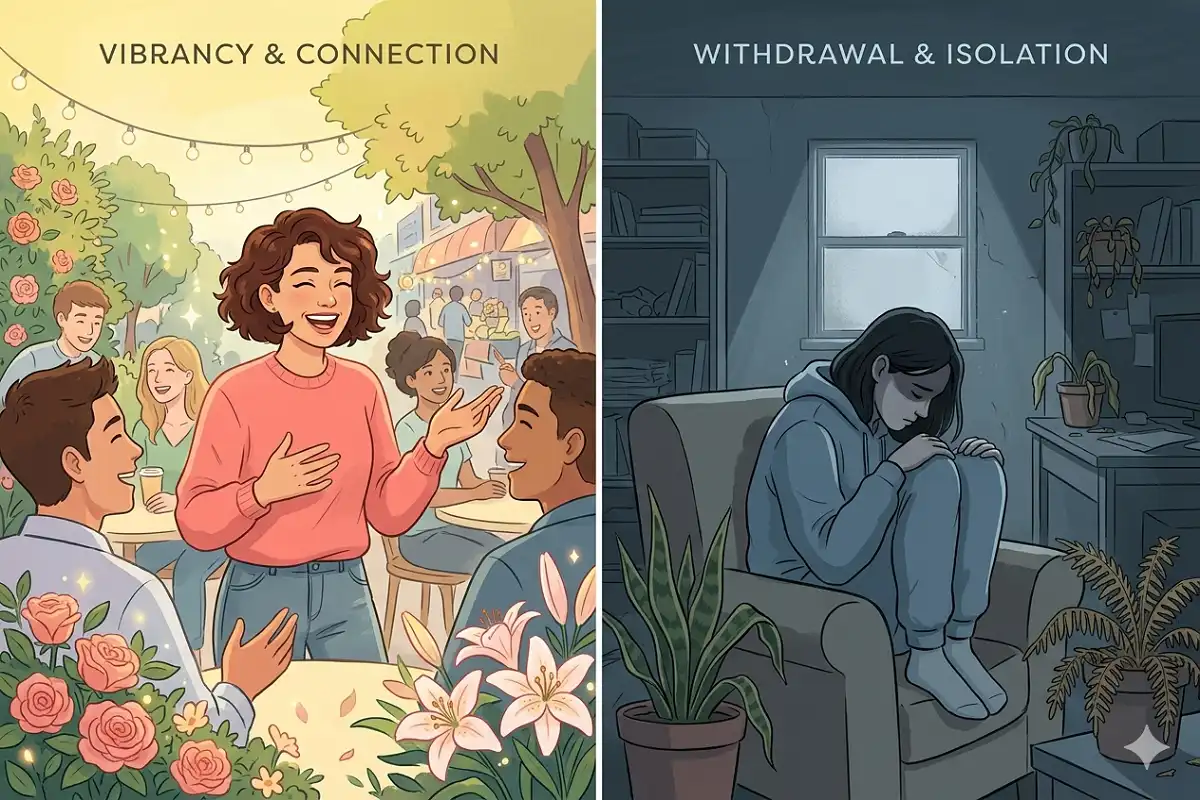
Signs in Yourself
- Persistent sadness, emptiness, or hopelessness
- Withdrawing from friends, family, or activities you used to enjoy
- Dramatic changes in sleep or appetite
- Difficulty concentrating or making decisions
- Feeling like a burden to others
- Unexplained physical aches and pains
- Increased use of alcohol or substances
Signs in Someone You Know
- They seem more withdrawn or irritable than usual
- They have stopped taking care of themselves
- They are giving away prized possessions
- They express feelings of hopelessness about the future
- Their performance at work or school has dropped sharply
Recognizing these signs is a critical element of mental health awareness. You do not need to be a therapist to notice when something is wrong — you just need to pay attention and care enough to ask.
How to Start the Conversation
Talking about mental health can feel awkward, but it does not have to be. Mental health awareness teaches us that simply asking someone if they are okay can make a profound difference.
Try these simple openers:
- “Hey, I’ve noticed you seem a little off lately. Do you want to talk?”
- “I care about you and I’m here if you’re going through anything.”
- “I read something about mental health recently and it made me think of you — no pressure, just wanted to check in.”
You do not need the perfect words. You just need to show up.
The Role of Art and Expression in Mental Health Awareness
Creative expression has long been a powerful tool for processing emotional pain and building mental health awareness. Art gives language to feelings that words alone cannot always capture.
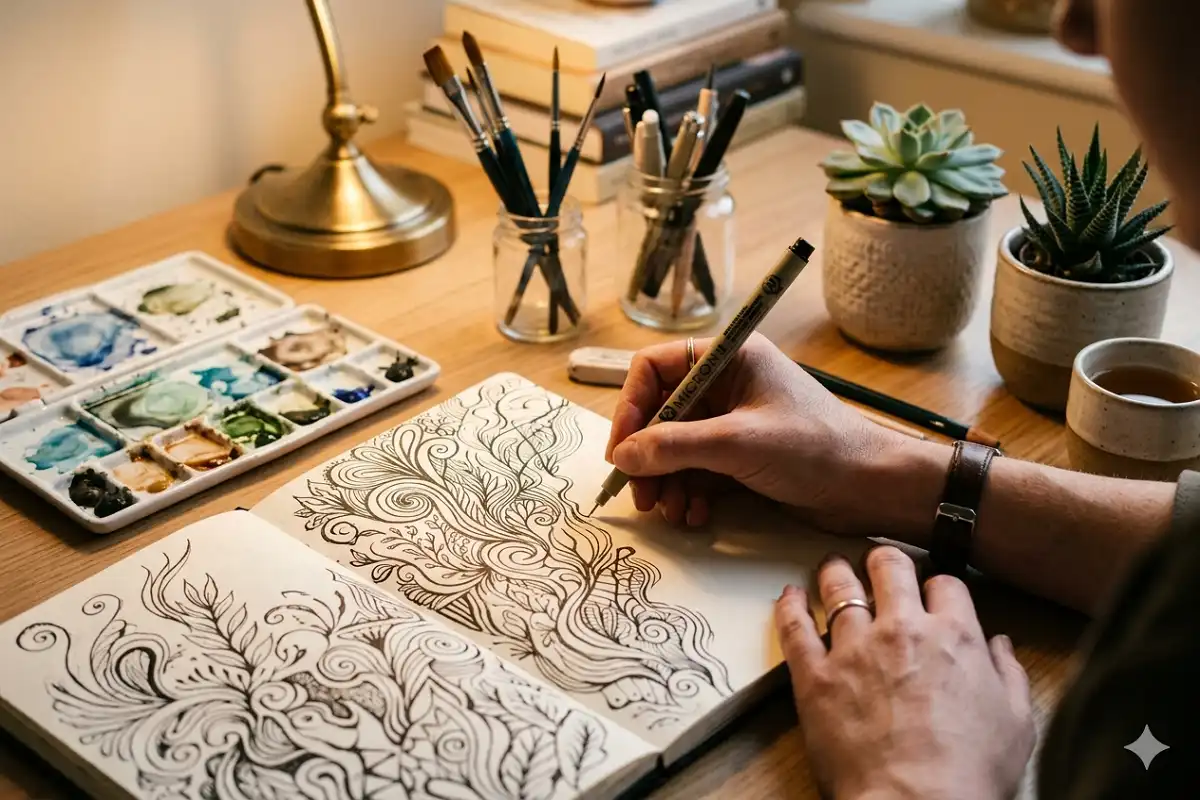
Exploring mental health drawings and anxiety art can be a revealing and therapeutic way to understand what your mind is carrying. Many people find that creating or engaging with art reduces stress and improves emotional regulation.
Similarly, mental health art prompts and drawing ideas offer structured creative activities that help people externalize internal experiences. Whether you are a trained artist or someone who doodles in the margins, creative expression is a valid and valuable form of mental health awareness and self-care.
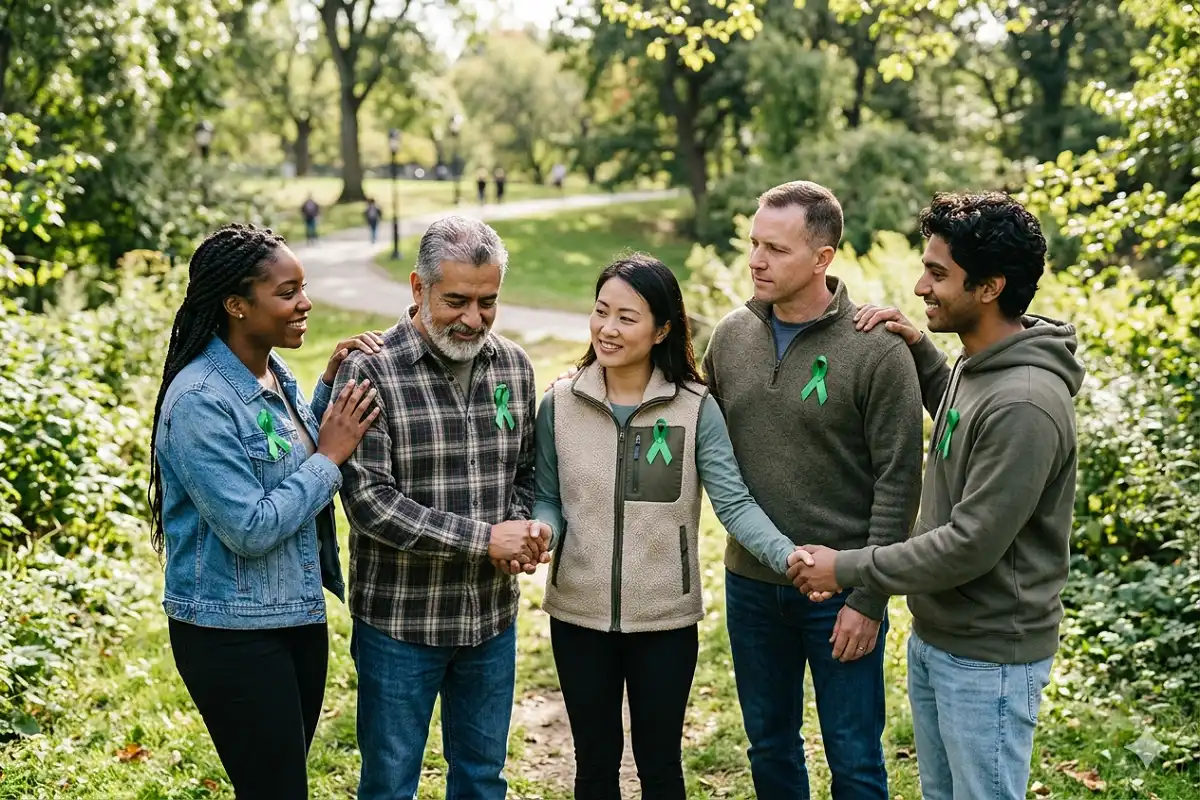
Even something as simple as color carries meaning. Understanding mental health awareness colors — like green for mental health, purple for eating disorders, or teal for anxiety — helps people signal solidarity and open conversations without saying a word.
Mental Health Awareness in Pop Culture
Mental health awareness has made major strides in entertainment and sports — two areas with enormous cultural influence.
Movies That Get It Right
Not all mental health portrayals in film are accurate, but some truly capture the nuance and complexity of lived experience. Watching mental health movies that actually get it right can reduce stigma, build empathy, and make viewers feel less alone.
Films that authentically depict conditions like depression, OCD, bipolar disorder, and PTSD help create cultural conversations that accelerate mental health awareness across entire communities.
Athletes Leading the Conversation
Public figures speaking openly about their mental health struggles have done more to advance mental health awareness than nearly any campaign. NFL wide receiver AJ Brown has been one of the most candid voices in professional sports about his mental health journey. His story is both inspiring and instructive.
Reading about AJ Brown’s mental health story and what it teaches us shows how vulnerability, even from elite athletes, can break down stigma and encourage millions of fans to take their own mental health seriously.
Practical Ways to Support Your Mental Health Today
Mental health awareness is not only about understanding — it is about taking action. Here are concrete steps you can take right now:
1. Know Your Resources
Many people do not seek help because they do not know where to start. Here is what you should know:
- Free services exist. You can find free mental health services near you through community health centers, sliding-scale clinics, and nonprofit organizations.
- Walk-in care is available. If you are in crisis or simply do not know where to start, a mental health walk-in clinic can connect you with immediate support without a referral or appointment.
- Apps can help. Digital mental health platforms like Headway make it easier than ever to find in-network therapists and affordable care.
2. Build Daily Mental Health Habits
- Move your body. Even 20 minutes of walking improves mood significantly.
- Limit doom-scrolling. News and social media exposure directly impact anxiety levels.
- Maintain social connections. Loneliness is a serious mental health risk factor.
- Practice mindfulness. Apps like Headspace or Calm offer guided meditations proven to reduce stress.
- Get consistent sleep. Sleep deprivation worsens nearly every mental health condition.
3. Know When to Escalate
Sometimes outpatient therapy is not enough. For severe depression, suicidal ideation, psychosis, or substance abuse co-occurring with mental health conditions, inpatient mental health treatment may be the safest and most effective path forward.
Understanding what inpatient care involves removes the fear around it — and can make it easier to seek that level of help when needed.
Mental Health Careers: Becoming Part of the Solution
Mental health awareness is not just for patients — it is also for professionals who want to make a difference. The demand for mental health counselors has never been higher, and the field offers meaningful, stable career opportunities.
If you are considering entering this field, exploring mental health counselor jobs and career paths is a great starting point. From school counselors to trauma therapists to crisis line workers, there are more ways to contribute to mental health awareness professionally than most people realize.
The Growing Language of Mental Health Awareness
In 2026, mental health awareness has developed its own rich symbolic language. Ribbons, colors, tattoos, and artwork are all used to signal solidarity, mark survival, and spark conversations.
Depression survivor and mental health tattoos have become increasingly popular as permanent symbols of resilience. For many, these tattoos represent a turning point — a visible reminder of what they survived and a daily affirmation of their strength.
These symbols matter because they make mental health awareness visible in everyday life, turning private experiences into public solidarity.
Mental Health Awareness: A Community Responsibility
Ultimately, mental health awareness is not an individual responsibility alone — it is a community one. Families, schools, workplaces, healthcare systems, and governments all have a role to play.
According to the National Institute of Mental Health (NIMH), approximately 57.8 million adults in the United States lived with a mental illness in 2021. Yet fewer than half received any treatment.
The gap between those who need mental health support and those who receive it will only close through sustained, culturally embedded mental health awareness efforts.
You can contribute by:
- Sharing credible mental health content on social media
- Checking in on friends and family regularly
- Advocating for mental health resources at your workplace or school
- Donating to mental health nonprofits
- Voting for policies that expand mental health access
Every action — no matter how small — counts.
FAQ: Mental Health Awareness
What is the purpose of mental health awareness?
Mental health awareness serves to educate the public about mental health conditions, reduce the stigma that prevents people from seeking help, and promote early intervention. It helps communities understand that mental health is just as important as physical health and that support is available.
When is Mental Health Awareness Month?
Mental Health Awareness Month is observed every May in the United States. Mental health awareness events, campaigns, and conversations increase significantly during this period, though advocacy continues year-round globally.
How can I raise mental health awareness in my community?
You can raise mental health awareness by sharing educational content, speaking openly about your own experiences if you are comfortable, organizing community events, supporting local mental health organizations, and encouraging those around you to seek help when needed. Even small, consistent actions create real cultural change.
What are the most important mental health awareness colors?
Mental health awareness colors carry specific meaning. Green is the primary color representing overall mental health awareness. Other significant colors include purple for eating disorders, teal for anxiety, silver for schizophrenia, and orange for ADHD. Learn more about the full meaning behind each mental health awareness color.
Can watching movies improve mental health awareness?
Yes — well-crafted films that authentically depict mental health experiences can build empathy, reduce stigma, and help viewers recognize symptoms in themselves or others. Not all films are accurate, but those that are can be genuinely educational as well as emotionally resonant.
What should I do if someone I know is in a mental health crisis?
Stay calm and stay present. Listen without judgment. Avoid minimizing their feelings. If there is immediate danger, call emergency services. Encourage them to contact a mental health crisis line, visit a walk-in clinic, or connect with a mental health professional. Your presence and willingness to help matters more than having the perfect words.

Conclusion: Mental Health Awareness Starts With You
Mental health awareness is one of the most meaningful investments you can make — in yourself, in your relationships, and in your community. The more we talk about it, learn about it, and act on it, the more lives we save and the more suffering we prevent.
You do not need to be a therapist, a celebrity, or an activist to make a difference. You just need to show up, pay attention, and care.
Ready to go deeper? Explore the resources linked throughout this guide, share this article with someone who might need it, and remember: reaching out — for yourself or for someone else — is never weakness. It is the most courageous thing you can do.