
Introduction
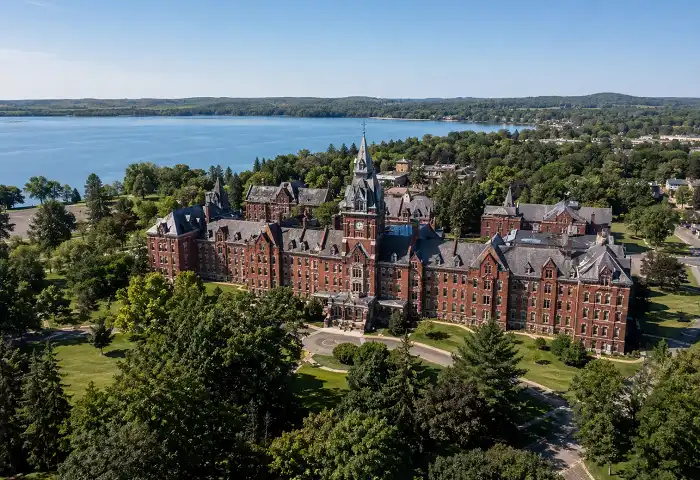
When it comes to comprehensive psychiatric care in the state of Wisconsin, one institution stands above the rest in terms of legacy, scope, and commitment to patient well-being. The Winnebago Mental Health Institute, commonly referred to as WMHI, has served as a cornerstone of behavioral health services in the Midwest for over 150 years. Located near Oshkosh, Wisconsin, this state-operated psychiatric hospital is more than just a treatment facility — it is a symbol of evolving compassion toward mental illness, a living archive of psychiatric history, and a beacon of hope for thousands of individuals and families navigating the complexities of serious mental health conditions.
Understanding the Winnebago Mental Health Institute is essential for anyone seeking psychiatric inpatient care in Wisconsin, whether as a patient, a family member, a healthcare professional, or a policy researcher. This comprehensive guide covers everything you need to know — from the facility’s storied history and clinical services to its accreditation status, admission process, career opportunities, and the challenges it continues to face in today’s mental health landscape.
Whether you are looking for information about admissions, curious about the hospital’s historical significance, or exploring career options in psychiatric care, this article is your one-stop resource for all things related to the Winnebago Mental Health Institute.
History of Winnebago Mental Health Institute
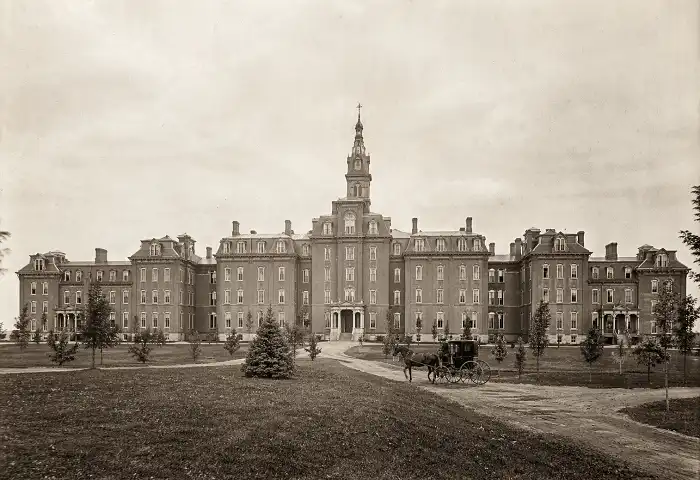
The story of the Winnebago Mental Health Institute begins in the post-Civil War era, a time when public awareness of mental illness was slowly — though imperfectly — growing across the United States. In 1870, Oshkosh and Green Bay competed to host a new state psychiatric hospital. Oshkosh ultimately prevailed, and voters approved an initial expenditure of $16,700 to begin construction on what would become one of Wisconsin’s most enduring institutions.
Construction officially started in 1871, and the facility opened its doors on April 21, 1873, admitting its very first patient under the name Northern State Hospital for the Insane. The original building was completed on November 11, 1875, with an initial capacity of 500 beds. The hospital was constructed following the Kirkbride Plan, an architectural and philosophical approach to asylum design advocated by Philadelphia psychiatrist Thomas Story Kirkbride. This design emphasized large, airy buildings, pastoral surroundings, and structured routines as part of the therapeutic process — a progressive idea for its time.
By 1891, the capacity of the Winnebago Mental Health Institute had grown to 650 patients, and by 1932, the facility was housing 864 individuals under the care of 164 staff members. The hospital’s name evolved alongside changing attitudes toward mental health: it was renamed Winnebago State Hospital in the 1930s, and then officially became the Winnebago Mental Health Institute in the early 1970s, reflecting a broader national shift away from custodial models of care and toward treatment-focused, person-centered psychiatric services.
One of the more unusual historical footnotes connected to WMHI involves John Flammang Schrank, who attempted to assassinate President Theodore Roosevelt in 1912. Schrank was committed to what was then the Northern Hospital for the Insane in November 1912, where he remained until his transfer to Central State Hospital.
The mid-20th century brought dramatic changes. By 1975, patient populations had dropped to roughly one-third of capacity at the Winnebago Mental Health Institute, mirroring national trends toward deinstitutionalization. Political debates erupted over whether to close WMHI or its sister facility, the Mendota Mental Health Institute near Madison. Ultimately, both institutions survived, and the Winnebago Mental Health Institute continued serving Wisconsin’s most vulnerable populations.
Location and Campus
The Winnebago Mental Health Institute is located in the unincorporated community of Winnebago, on the north side of Oshkosh, Wisconsin. Nestled near the western shore of Lake Winnebago, the campus is set in a peaceful, semi-rural environment that reflects its historical roots in therapeutic landscape design.
Mailing Address: Winnebago Mental Health Institute PO Box 9 Winnebago, WI 54985-0009
Physical Address (for driving directions): Use the Treffert Drive address to navigate directly to the campus.
The campus itself is expansive and includes multiple patient care buildings, staff facilities, administrative offices, and the Julaine Farrow Museum. Its setting near Lake Winnebago provides a calming natural backdrop consistent with the facility’s therapeutic mission.
Who Does WMHI Serve?
One of the most important things to understand about the Winnebago Mental Health Institute is that it does not accept walk-in patients. All admissions are processed through referrals from county health and human services agencies or through the court system. This means that individuals who believe they or a loved one may need WMHI’s services must work through official channels rather than presenting at the hospital’s doors directly.
The Winnebago Mental Health Institute serves two primary categories of patients:
Civil Patients are individuals ordered by a court to receive psychiatric assessments and treatment at a mental health facility. These patients are admitted through emergency detention and commitment proceedings. The goal for civil patients is stabilization, treatment, and eventual return to community-based care.
Forensic Patients are individuals referred by the courts for either a mental health competency evaluation, treatment to restore competency to stand trial, or treatment for those found not guilty of crimes by reason of mental illness. Forensic services at the Winnebago Mental Health Institute represent a highly specialized area of psychiatric care requiring close coordination with the legal system.
On average, the Winnebago Mental Health Institute processes approximately 1,300 admissions per year and maintains a census of around 250 patients at any given time — a testament to the ongoing, high-demand nature of public psychiatric care in Wisconsin.
Services and Patient Care Units
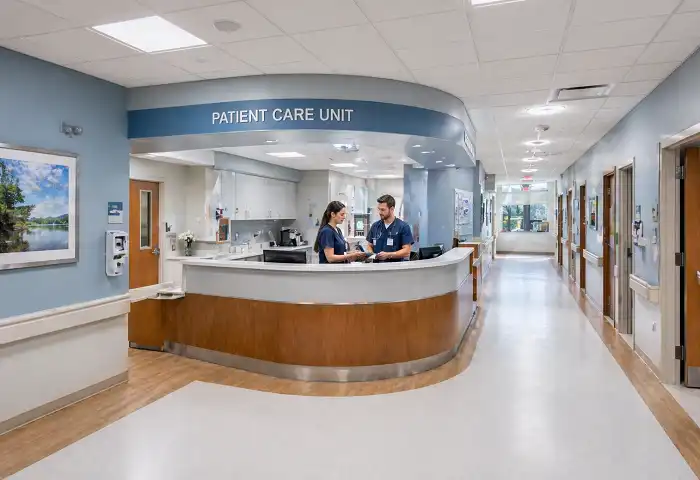
The Winnebago Mental Health Institute operates seven distinct patient care units, each designed to address a specific population or clinical need. This multi-unit structure ensures that patients receive care tailored to their individual presentations rather than a one-size-fits-all approach.
1. Psychiatric Assessment and Stabilization Unit This unit serves patients who require immediate psychiatric evaluation, medication management or stabilization, and short-term inpatient treatment. It functions as a critical entry point for many civil patients admitted through emergency proceedings.
2. Adult Services — General Psychiatric This unit provides comprehensive inpatient psychiatric treatment for adults living with moderate to severe psychiatric disorders. Programs here address a wide range of diagnoses including schizophrenia, major depressive disorder, bipolar disorder, and other complex conditions.
3. Adult Services — Dual Diagnosis (Gemini Unit) Named the Gemini unit, this specialized program at the Winnebago Mental Health Institute provides inpatient alcohol and drug treatment for adults aged 18 to 64 who are living with co-occurring mental illness and substance use disorders. Integrated treatment for dual diagnosis patients is a recognized best practice in modern psychiatric care, and WMHI’s dedicated unit underscores its commitment to evidence-based services.
4. Forensic Evaluation Unit This unit handles court-ordered mental health competency evaluations. Staff here work at the intersection of psychiatry and the legal system, providing comprehensive assessments that courts rely upon to make critical decisions about defendants’ fitness to stand trial.
5. Forensic Treatment — Competency Restoration Patients found incompetent to stand trial are transferred here for structured psychiatric treatment aimed at restoring their legal competency. The Winnebago Mental Health Institute plays a pivotal role in Wisconsin’s criminal justice system through this unit.
6. Forensic Treatment — Not Guilty by Reason of Mental Disease This long-term unit serves patients acquitted of crimes due to mental illness. Treatment here is highly individualized, often spanning months or years, and focuses on rehabilitation and community reintegration when clinically appropriate.
7. Adolescent Services (Anchorage Unit) The Anchorage unit provides inpatient psychiatric treatment for mentally ill adolescents aged 13 to 18. Adolescent psychiatric inpatient care requires specialized clinical expertise, and the Winnebago Mental Health Institute maintains a dedicated team trained in working with young people facing serious mental health challenges.
Treatment Approaches at WMHI

The Winnebago Mental Health Institute employs a multidisciplinary, recovery-oriented model of care. This means that each patient’s treatment is guided by a team of clinicians — including attending psychiatrists, psychologists, social workers, nurses, and therapeutic specialists — who collaborate to develop individualized care plans.
Psychiatric and Medication Management: Attending psychiatrists at the Winnebago Mental Health Institute lead regular treatment team meetings to review each patient’s progress and adjust treatment plans, including psychotropic medication management, as needed. Medication decisions are made with the goal of achieving treatment objectives while minimizing risk of harm.
Individual and Group Therapy: Patients at WMHI engage in both individual therapy sessions and structured group therapy programs. Group therapy at the Winnebago Mental Health Institute provides a supportive peer environment where patients share experiences and work through challenges together under professional guidance.
Therapeutic Services: The Therapeutic Services Department at WMHI is responsible for assessing patients and delivering a wide range of therapeutic activities. There are four primary areas of therapeutic service: occupational therapy, recreational therapy, speech therapy, and physical therapy. These services address not only psychiatric symptoms but also functional skills and quality of life.
Self-Help and Family Programs: The Winnebago Mental Health Institute recognizes that recovery does not happen in isolation. Self-help groups, family therapy sessions, and community groups are integrated into treatment programming, ensuring that patients’ support systems are engaged throughout the treatment process.
Educational Services: For adolescent patients, the campus Waterwood School provides ongoing educational support, ensuring that young people maintain academic continuity even during psychiatric hospitalization.
The Julaine Farrow Museum
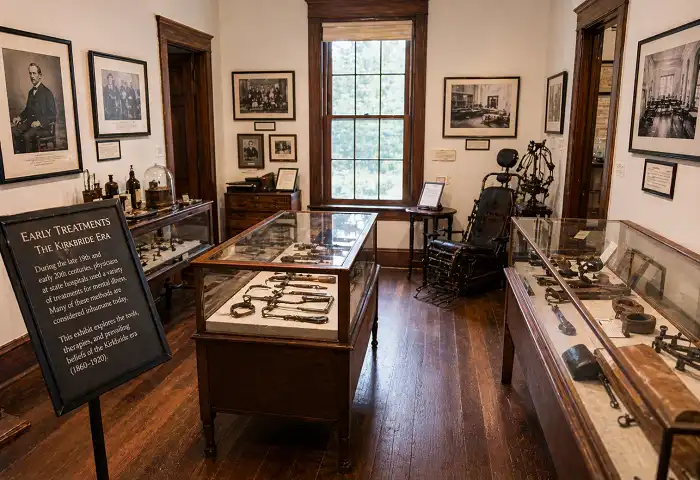
One of the most distinctive features of the Winnebago Mental Health Institute campus is the Julaine Farrow Museum, a publicly accessible museum dedicated to preserving the rich history of WMHI. The museum is housed in a former superintendent’s residence at 4150 Sherman Road, Oshkosh, WI 54901, and is maintained by a dedicated group of volunteers.
The museum spans two floors and ten rooms, featuring photographs, drawings, artifacts, and period settings that trace the evolution of psychiatric care at the Winnebago Mental Health Institute from the 1870s to the present. Visitors can explore recreations of a historical surgery room, pharmacy, patient bedrooms, and more.
The museum is named after Julaine Farrow, a nurse at WMHI who served the hospital for 36 years and became its unofficial historian. Farrow retired in 1974 but continued volunteering at the institution and gathering artifacts for years afterward. She also authored the hospital’s first history book — a remarkable testament to her devotion to the institution and its mission.
The museum is open to the public February through October, every Thursday from 1:00 p.m. to 3:30 p.m., and appointments can be arranged outside of regular hours by calling 920-235-4910, ext. 2311. The Winnebago Mental Health Institute museum is one of only 16 mental health institute-specific museums in the entire nation, making it a genuinely rare and valuable historical resource.
Accreditation and Quality Standards
The Winnebago Mental Health Institute is accredited by The Joint Commission, one of the most respected healthcare accreditation bodies in the United States. Joint Commission accreditation signifies that a healthcare organization meets rigorous performance standards related to patient safety, quality of care, and operational excellence.
This accreditation is not simply ceremonial — it is a meaningful signal to patients, families, and referring agencies that the Winnebago Mental Health Institute adheres to nationally recognized best practices in psychiatric care. The accreditation process involves regular on-site surveys and continuous performance monitoring, holding WMHI accountable to a high standard of care.
Patients and families who have concerns about care quality at WMHI may also file complaints with the Wisconsin Department of Health Services Division of Quality Assurance, as well as directly with The Joint Commission. This multi-layered oversight structure ensures transparency and accountability.
Careers at Winnebago Mental Health Institute

The Winnebago Mental Health Institute employs a large and diverse team of professionals dedicated to patient care and recovery. As a state-operated facility within the Wisconsin Department of Health Services, WMHI employees are state workers who enjoy comprehensive benefits packages, competitive salaries, and meaningful work.
Career opportunities at the Winnebago Mental Health Institute span a wide range of roles, including psychiatrists, psychologists, registered nurses, licensed practical nurses, certified nursing assistants, social workers, occupational therapists, recreational therapists, speech therapists, physical therapists, direct care workers, administrative staff, and educational professionals.
Working at the Winnebago Mental Health Institute means making a genuine difference in the lives of Wisconsin’s most vulnerable residents. The facility regularly recruits compassionate, skilled professionals who are committed to the values of dignity, recovery, and person-centered care. Prospective employees can explore open positions through the Wisconsin Department of Health Services human resources office (920-235-4910, ext. 2914).
How to Access WMHI Services
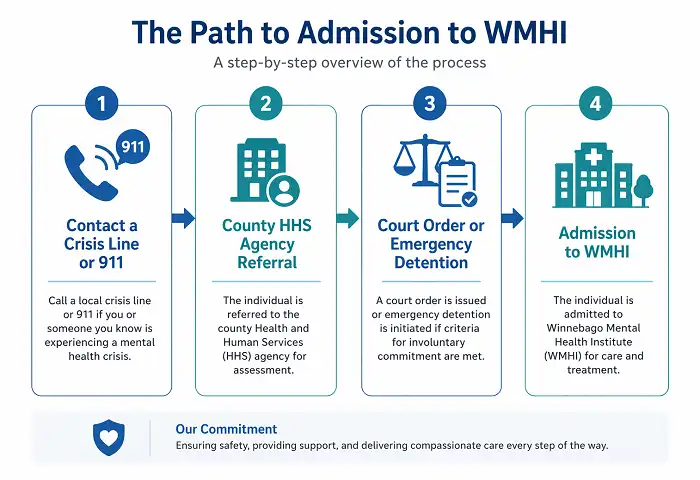
Because the Winnebago Mental Health Institute does not accept walk-in admissions, individuals seeking its services must do so through appropriate referral channels. Here is a practical guide:
For individuals in crisis: If you or someone you know is experiencing a mental health emergency, the first step is to call a crisis line or 911. Do not go directly to WMHI without a referral.
For civil commitment: Referrals to the Winnebago Mental Health Institute for civil patients are made through county health and human services agencies. Emergency detention and commitment proceedings initiate this process through Wisconsin’s legal framework.
For forensic evaluation or treatment: Courts order forensic referrals to WMHI. Attorneys, judges, and county agencies facilitate this process for individuals involved in criminal proceedings.
For admissions inquiries: Contact the WMHI admissions office at 920-235-4910, ext. 2527.
WMHI’s Role in Wisconsin’s Mental Health System
The Winnebago Mental Health Institute does not operate in isolation. It is one of two state-operated psychiatric hospitals in Wisconsin — the other being Mendota Mental Health Institute near Madison. Together, these two facilities form the backbone of Wisconsin’s public inpatient psychiatric care system, serving patients who are too acutely ill or complex to be managed in community settings.
WMHI’s role has grown increasingly critical as mental health needs across the state and nation have escalated. The 2024 Wisconsin Intellectual and Developmental Disabilities and Mental Health (IDD-MH) System Improvement Report, released in June 2024, identified 37 specific recommendations for improving systems and services for people with combined intellectual, developmental, and mental health needs in Wisconsin — underscoring the ongoing complexity of the challenges that institutions like the Winnebago Mental Health Institute navigate every day.
Challenges and Reform
No honest account of the Winnebago Mental Health Institute would be complete without acknowledging the challenges the institution has faced over its long history. Like many state psychiatric hospitals, WMHI has grappled with issues related to staffing shortages, funding constraints, patient rights, and the enormous difficulty of treating individuals with the most complex psychiatric conditions.
In the early 2000s, WMHI faced scrutiny over alleged violations of patient rights, including failures to protect patients from harm, medication errors, and environmental safety concerns. These findings led to government-mandated remediation efforts and bipartisan legislative action requiring that all patient deaths at the facility be reviewed — a transparency measure that, while sobering, reflected a genuine commitment to accountability and improvement.
Financially, state psychiatric hospitals across the country have historically struggled with adequate funding relative to the complexity and acuity of the populations they serve. Staffing challenges — both in terms of numbers and specialized training — have been a persistent concern at the Winnebago Mental Health Institute, as they are at comparable facilities nationwide.
Despite these challenges, WMHI’s leadership and staff have continued to pursue quality improvement, maintain Joint Commission accreditation, and work toward the facility’s core mission: helping patients get better, recover, and return home to live a healthy life.
Frequently Asked Questions
Q: What is the Winnebago Mental Health Institute? The Winnebago Mental Health Institute (WMHI) is a state-operated psychiatric hospital near Oshkosh, Wisconsin, that has provided behavioral health services since 1873. It serves individuals of all ages with complex psychiatric conditions through both civil and forensic programs.
Q: Can I walk in to receive services at WMHI? No. The Winnebago Mental Health Institute does not accept walk-ins. All patients must be referred through county health and human services agencies or the court system.
Q: Is the Winnebago Mental Health Institute accredited? Yes. WMHI is accredited by The Joint Commission, reflecting its adherence to national standards for patient safety and quality care.
Q: What types of patients does WMHI treat? WMHI treats civil patients (those ordered by courts into psychiatric evaluation and treatment) and forensic patients (those involved in criminal proceedings requiring mental health evaluation or treatment). The facility serves adults, adolescents, and individuals with dual diagnoses of mental illness and substance use disorders.
Q: Does WMHI have a museum? Yes. The Julaine Farrow Museum on the WMHI campus is open to the public and preserves the history of the institution. It is open Thursdays from 1:00–3:30 p.m., February through October.
Q: How do I contact the Winnebago Mental Health Institute? Main phone: 920-235-4910. Admissions office: ext. 2527. Mailing address: PO Box 9, Winnebago, WI 54985.
Conclusion
The Winnebago Mental Health Institute is far more than a psychiatric hospital. It is a 150-year-old institution that has witnessed — and shaped — the transformation of mental health care in the United States. From its origins as the Northern State Hospital for the Insane, built following the visionary Kirkbride Plan, to its current role as a Joint Commission-accredited, multidisciplinary treatment center serving civil and forensic patients from across Wisconsin, WMHI stands as a testament to the enduring importance of public mental health infrastructure.
For patients, the Winnebago Mental Health Institute represents a place where compassionate, evidence-based care is available for those whose needs cannot be met in community settings. For families, it offers reassurance that their loved ones are receiving structured, supervised treatment. For Wisconsin as a whole, WMHI is an irreplaceable resource in the state’s effort to care for its most vulnerable citizens.
As mental health needs continue to grow across the country, institutions like the Winnebago Mental Health Institute remain not just relevant but essential. Understanding what WMHI is, what it does, and how to access its services is the first step toward navigating Wisconsin’s mental health care system with confidence and clarity.