

Introduction
A mental health technician salary typically falls between $30,000 and $58,000 per year, depending on your state, setting, and experience level. This guide breaks down average pay by location, work setting, and certification so you can benchmark your earnings and make smarter career moves.
Quick Answer: The average mental health technician salary in the U.S. ranges from $30,000 to $55,000 annually. Entry-level roles start near $30,000. Experienced technicians in high-demand states like California, Alaska, and Massachusetts earn $50,000 or more. Certifications, specialty units, and shift differentials raise pay further.
What Shapes a Mental Health Technician Salary
Several factors push the mental health technician salary up or down. Location matters most, followed by work setting, years of experience, and certifications.
Shift type also plays a role. Overnight, weekend, and holiday shifts typically add $2 to $5 per hour on top of base pay. That differential can add $4,000 to $10,000 to your annual income without any change in title.
Average Mental Health Technician Salary by Experience Level
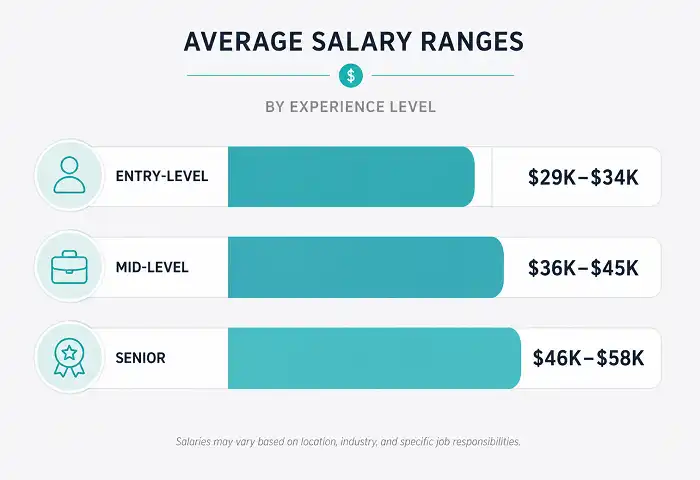
Entry-level (0–2 years): $29,000 to $34,000 per year. Most facilities require only a high school diploma or associate degree at this stage.
Mid-level (3–5 years): $36,000 to $45,000 per year. Technicians here often hold a crisis intervention certification or have completed specialty training.
Senior or specialized (6+ years): $46,000 to $58,000 per year. Roles in forensic psychiatric units, pediatric behavioral health, or intensive outpatient programs sit at the top of this range.
If you’re researching career pathways beyond the technician level, the clinical mental health counselor guide explains how the progression from technician to licensed clinician works.
Mental Health Technician Salary by State

Geography creates the widest pay gaps in this field. States with higher costs of living and greater behavioral health demand pay the most.
Top-paying states for this role:
- California: $48,000 to $62,000. California licenses psychiatric technicians separately, which drives wages above the national average.
- Alaska: $46,000 to $58,000. Worker shortages and high cost of living push pay up significantly.
- Massachusetts: $44,000 to $56,000. Dense academic medical centers and psychiatric hospitals create strong, consistent demand.
- Washington: $42,000 to $54,000.
- New York: $40,000 to $52,000.
Lower-paying states: Mississippi, Arkansas, and West Virginia report mental health technician salaries closer to $28,000 to $33,000. Rural facilities generally pay less and offer fewer advancement paths.
In Florida, where I’m based, the average mental health technician salary runs between $32,000 and $44,000. Miami-Dade and Broward counties pay more than rural areas of the state.
How Work Setting Affects Mental Health Technician Salary

Inpatient psychiatric hospitals pay the highest mental health technician salary. Constant monitoring, crisis response, and physical intervention requirements put hourly rates $1 to $4 above outpatient settings.
Residential treatment centers offer steady hours but slightly lower pay. Long-term recovery programs for adults or adolescents are typical here.
Crisis stabilization units often carry above-average pay due to the intensity of care. Some facilities classify these positions separately with their own pay scales.
Correctional and forensic settings typically pay 10 to 20 percent more than standard hospital roles. These environments demand more training and carry greater daily risk.
Outpatient clinics and schools pay the least in terms of hourly rate, but hours are predictable and the work is less physically demanding.
Does Certification Raise Mental Health Technician Salary?
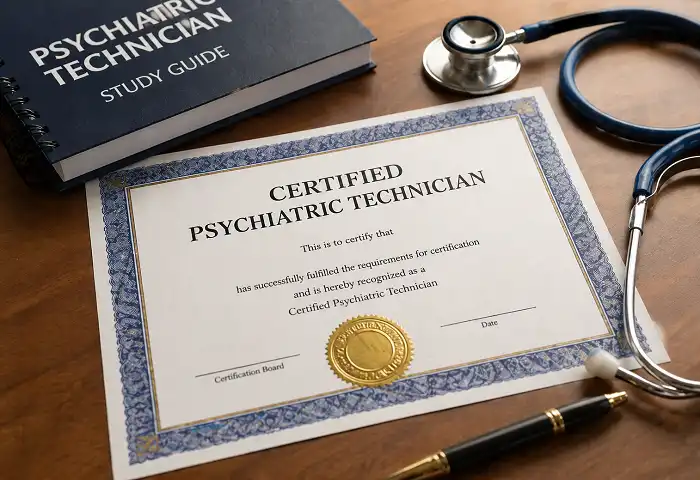
Yes. Certification directly raises the mental health technician salary in most hiring markets. Most employers don’t require it upfront, but holding one puts you in a stronger position during negotiations.
Key credentials that affect pay:
- Certified Psychiatric Technician (CPT) through the American Association of Psychiatric Technicians. California requires full licensure for psychiatric technicians, which is the most formalized version of this credential.
- Behavioral Health Technician (BHT) certification through state or national bodies.
- Crisis Prevention Institute (CPI) Nonviolent Crisis Intervention. This credential qualifies technicians for lead or senior roles in most facilities.
Certified candidates routinely earn $1 to $3 more per hour than non-certified peers. Over a full year, that gap equals $2,000 to $6,000 in additional income.
Education’s Effect on Mental Health Technician Salary
A high school diploma qualifies you for most entry-level positions. An associate degree in psychology or a health-related field gives you a slight edge in competitive markets.
A bachelor’s degree in psychology, sociology, or social work opens the door to lead technician and behavioral health specialist roles. These positions pay $5,000 to $10,000 more per year and carry supervisory responsibility.
Many technicians use the role as a stepping stone toward licensure. If that’s your path, the online mental health counseling master’s guide covers graduate program options and what licensure requires.
The Bureau of Labor Statistics publishes national and state-level wage data for psychiatric technicians. It’s the most reliable source for benchmarking your current pay.
Mental Health Technician Salary vs. Related Roles
Comparing the mental health technician salary to adjacent careers helps you plan your next move.
| Role | Average Annual Salary |
|---|---|
| Mental Health Technician | $33,000–$55,000 |
| Medical Assistant | $37,000–$50,000 |
| Substance Abuse Counselor | $42,000–$58,000 |
| Licensed Counselor (LPC/LMHC) | $52,000–$78,000 |
| Psychiatric Nurse (RN) | $72,000–$95,000 |
Moving from technician to licensed counselor roughly doubles your long-term earning potential. The technician role is one of the most accessible entry points into behavioral health care.
Benefits That Add to Total Compensation
Base pay is one part of what you take home. Full-time positions at hospitals and large behavioral health systems typically include:
- Health, dental, and vision insurance
- Paid time off and sick leave
- Tuition reimbursement (common at nonprofits and health systems)
- 401(k) with employer match
- Employee Assistance Program (EAP) access
Tuition reimbursement is especially valuable if you plan to earn a bachelor’s or master’s degree while working. Many employers cover up to $5,250 annually in education costs, which is the IRS tax-free threshold.
How to Increase Your Mental Health Technician Salary
Earn a specialty certification. CPT or CPI credentials signal higher skill and unlock lead roles with better pay.
Move into a higher-acuity setting. Forensic, crisis stabilization, and intensive outpatient programs pay more than general residential facilities.
Negotiate shift differentials. Ask about differential pay before accepting any offer. Some facilities don’t advertise it proactively.
Build ABA skills. Applied Behavior Analysis training opens a well-paying specialty niche, especially in autism spectrum disorder programs.
Target academic medical centers. University-affiliated hospitals tend to offer stronger pay scales and tuition benefits than community hospitals.
Relocate strategically. Moving from a low-wage state to California or Massachusetts can raise your mental health technician salary by $10,000 to $20,000 with no change in job title.
For technicians managing burnout or career-related stress, the mental health check-in guide offers practical strategies for staying grounded during demanding work periods.
Job Outlook and Demand
Demand for mental health technicians continues to grow. The behavioral health workforce shortage has worsened in recent years, which works directly in your favor.
Facilities in underserved areas offer sign-on bonuses of $3,000 to $5,000 and relocation assistance to fill open positions. Travel psychiatric technician contracts pay $22 to $30 per hour plus housing stipends, with assignments running 8 to 13 weeks.
The National Institute of Mental Health documents the scale of mental illness across the U.S. population. The numbers confirm why demand for direct-care behavioral health workers will stay strong for years ahead.
If you’re considering broader roles in this space, understanding what inpatient mental health care involves gives you context for where technicians fit within the full care continuum.
Mistakes That Keep Mental Health Technician Salary Low
Accepting the first offer without negotiating. Most salary bands have room at the top. Asking for $1 to $2 more per hour based on certifications or experience often succeeds.
Ignoring overnight and weekend shifts early in your career. These shifts build experience faster and pay more. They’re worth considering when you’re starting out.
Staying in the same role too long without reviewing pay. Three to five years without a pay adjustment or title change signals stagnation. Request an annual salary review proactively.
Skipping certification because it isn’t required. Employers notice credentials. Certification signals commitment and often separates two otherwise equal candidates.
Conclusion
The mental health technician salary you earn depends on where you work, what you’re certified in, and how strategically you approach career decisions. Entry-level roles start near $30,000. Experienced technicians in high-demand settings and states routinely earn $50,000 or more. Certifications, specialty units, shift differentials, and smart location choices all add up. This field has real growth ahead, and the decisions you make now shape your earning potential for the next decade.